Conditions Treated
Minimally invasive neurosurgical procedures may be recommended for a variety of neurological and spinal conditions, including:
- Herniated spinal discs
- Spinal stenosis
- Degenerative spine disease
- Brain tumors (selected cases)
- Hydrocephalus
- Vertebral compression fractures
- Nerve compression disorders
- Certain spinal tumors
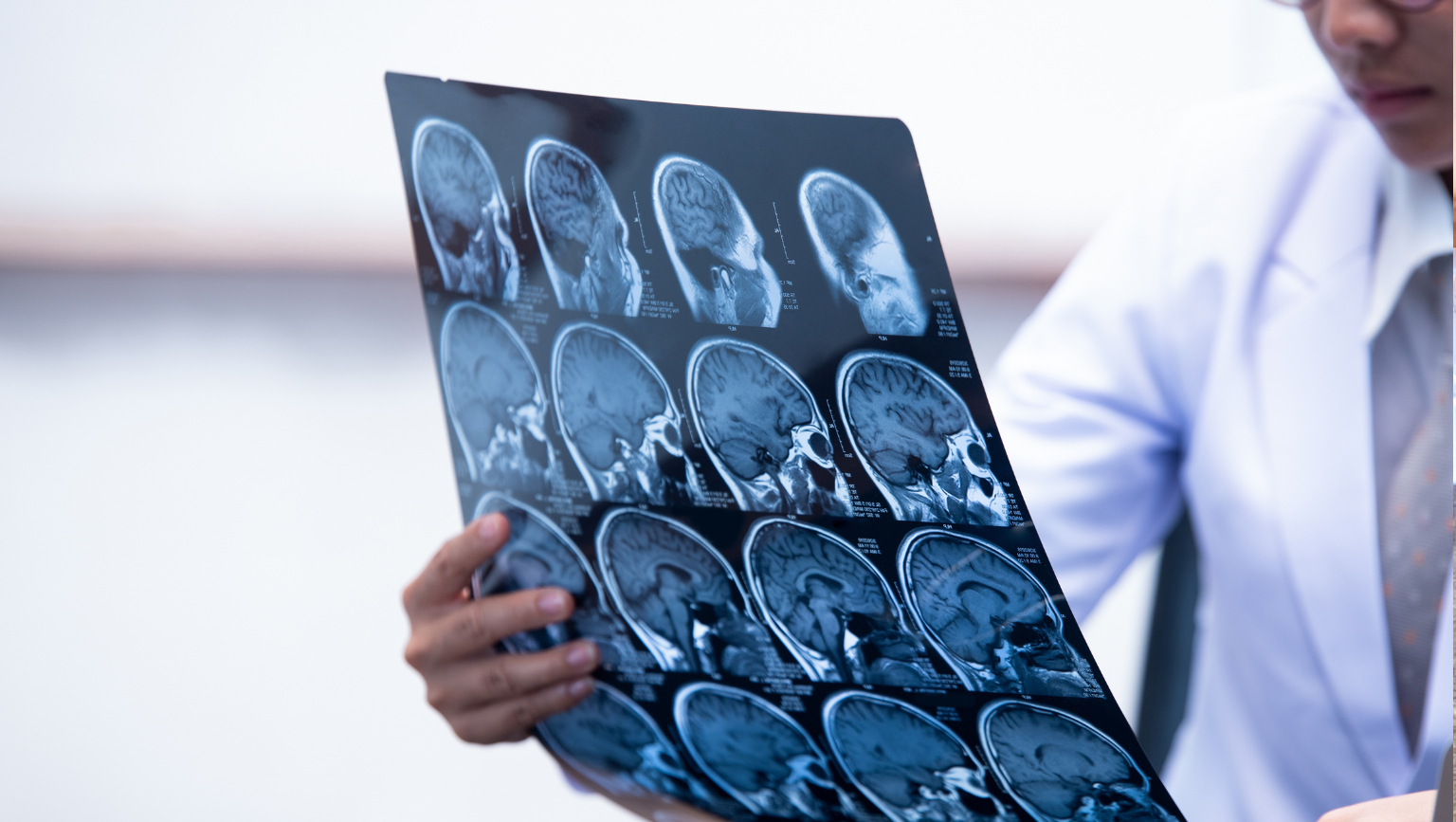
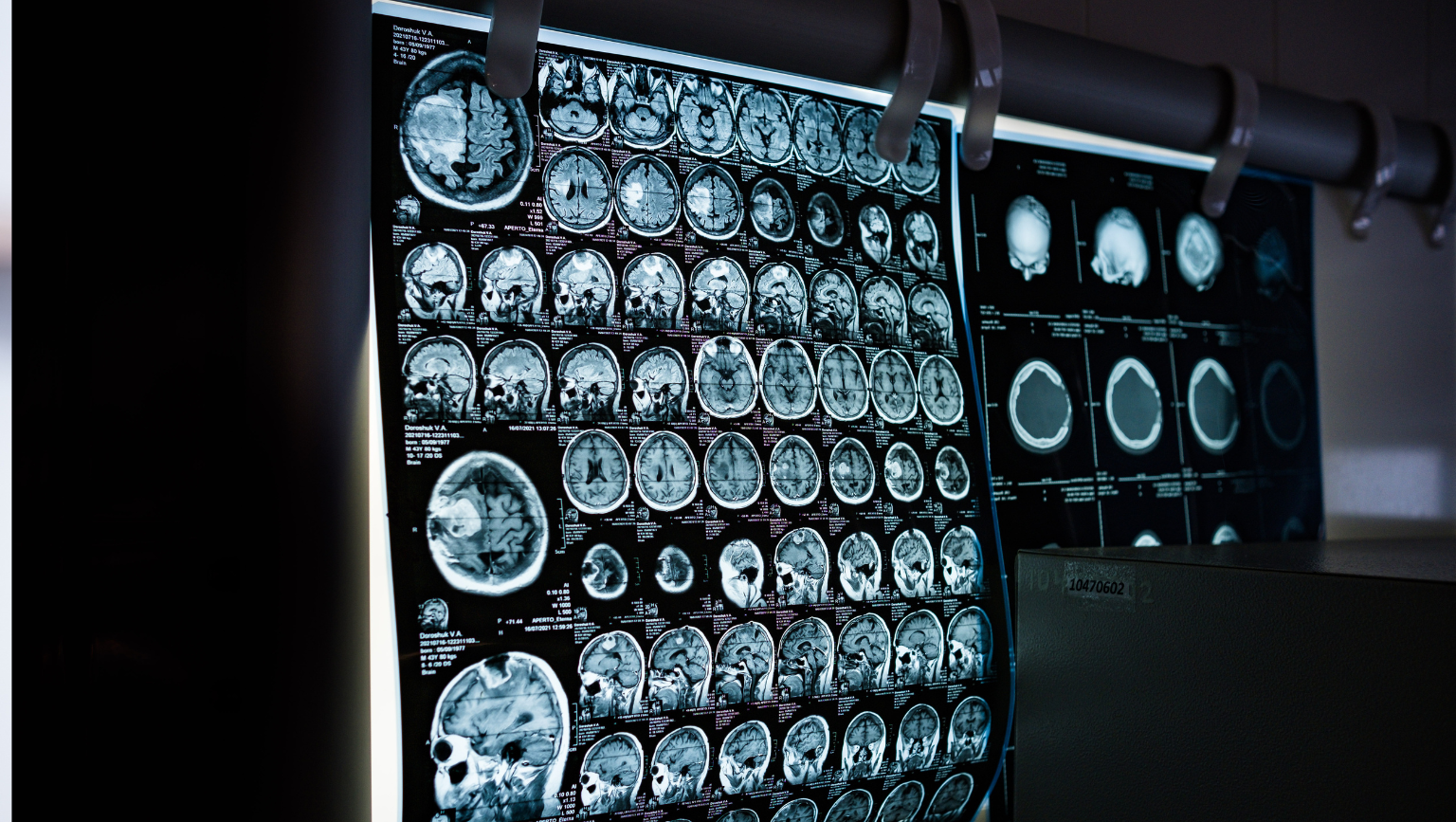
Each patient undergoes a comprehensive neurological evaluation supported by MRI, CT scans, and other diagnostic tests. Careful case selection is essential to ensure that minimally invasive techniques provide safe and effective results.
Advanced Surgical Techniques
Our neurosurgical team utilizes a range of advanced techniques and technologies, including:
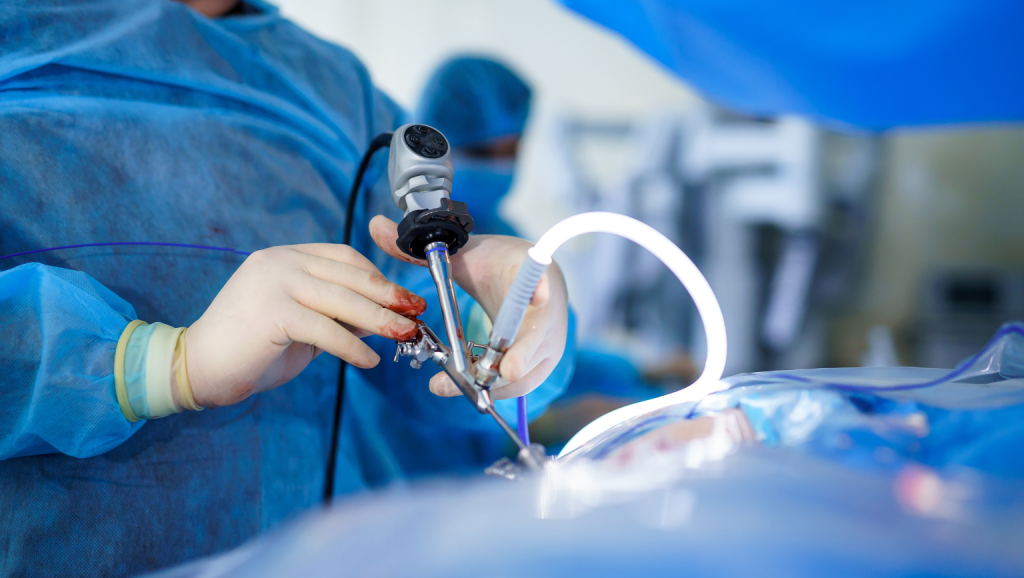
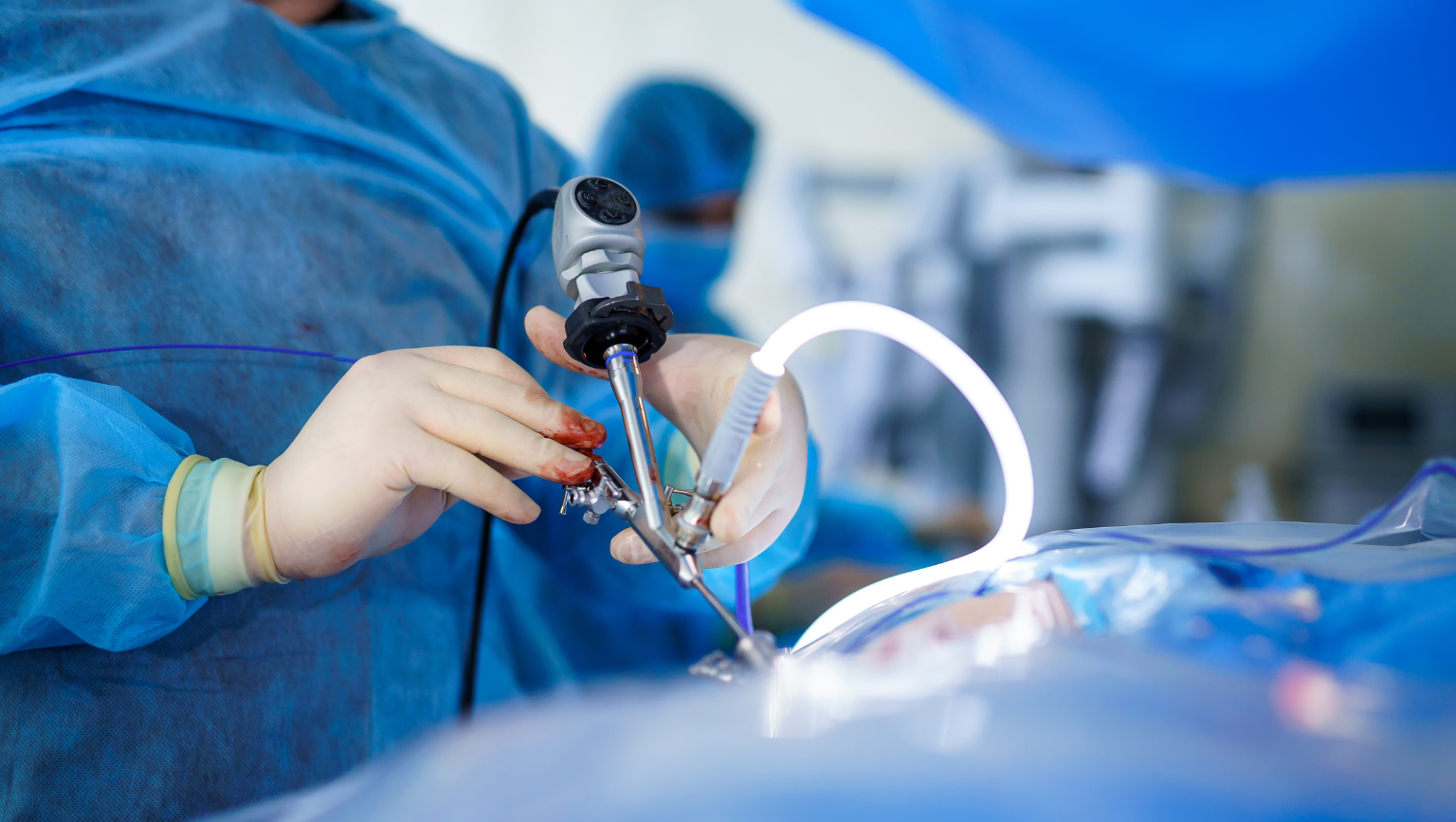
- Endoscopic spine surgery – Using a small camera and tubular retractors to remove disc fragments or relieve nerve pressure
- Microsurgical tumor removal – Employing operating microscopes for enhanced precision
- Image-guided navigation systems – Real-time imaging to improve surgical accuracy
- Minimally invasive spinal fusion – Stabilizing the spine through smaller incisions
- Ventricular shunt placement – Treating hydrocephalus with reduced surgical trauma
Advantages Over Traditional Open Surgery
- Less blood loss
- Reduced postoperative pain
- Lower infection risk
- Smaller scars
- Shorter hospital stay
- Faster return to daily activities
By minimizing tissue disruption, we help preserve muscle integrity and spinal stability while effectively addressing the underlying condition.
What to Expect During the Procedure
Minimally invasive neurosurgical procedures are performed under general anesthesia. Depending on the condition being treated, surgery may last between one to four hours.
Small incisions are made, and specialized instruments are inserted using tubular systems or endoscopic guidance. Advanced imaging ensures accurate targeting of the affected area while protecting critical neural structures.
Many patients are able to sit up and walk within 24 hours after surgery, particularly following minimally invasive spine procedures.
Recovery and Rehabilitation
Recovery timelines vary depending on the specific procedure and the patient’s overall health. However, many minimally invasive spine surgeries allow discharge within 1–3 days.
Postoperative care may include:
- Pain management
- Physical rehabilitation therapy
- Neurological monitoring
- Wound care instructions
- Scheduled follow-up evaluations
Patients are typically encouraged to gradually resume light activities while avoiding heavy lifting during the early healing phase. Full recovery may take several weeks, but many individuals experience significant symptom relief early in the recovery period.
Our multidisciplinary team coordinates rehabilitation programs to help restore strength, mobility, and neurological function safely.
Benefits Compared to Traditional Surgery
While not every patient is a candidate for minimally invasive neurosurgery, those who qualify often benefit from:
- Shorter operative time in selected cases
- Reduced hospital costs due to shorter stays
- Faster return to work and normal life
- Decreased postoperative discomfort
- Lower complication rates in appropriate candidates
These advantages make minimally invasive techniques an important advancement in modern neurosurgical care.