Call : (045) 809 0050
Email : tarlacmed@tarlacmedicalcenter.com.ph

Brain and Spine Surgery in Tarlac
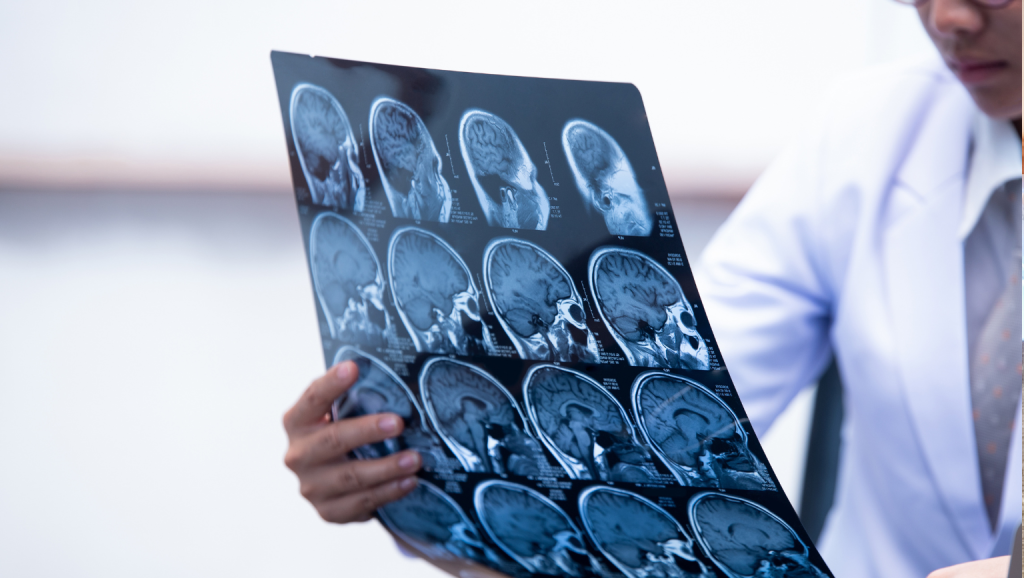
Brain and spine surgery addresses complex neurological conditions affecting the central nervous system, including the brain, spinal cord, and surrounding structures. These procedures are often delicate and highly specialized, requiring precision, advanced technology, and a multidisciplinary medical team.
At Tarlac Medical Center, our neurosurgical team provides comprehensive and advanced surgical treatment for brain tumors, spinal disorders, trauma, and degenerative conditions. We combine modern operating facilities, detailed imaging support, and structured postoperative care to ensure the highest level of patient safety and optimal outcomes.
Early diagnosis and timely surgical intervention are critical in neurological conditions. Prompt treatment can reduce permanent nerve damage, relieve debilitating symptoms, and significantly improve long-term quality of life.
Conditions Treated
Our neurosurgical team manages a wide range of brain and spinal conditions, including:
- Brain tumors (benign and malignant)
- Spinal disc herniation causing nerve compression
- Spinal stenosis leading to chronic pain or weakness
- Brain hemorrhage (intracranial bleeding)
- Traumatic brain injury from accidents or falls
- Spinal fractures due to trauma or osteoporosis
- Degenerative spine disorders
- Nerve compression syndromes
Symptoms that may require neurosurgical evaluation include persistent headaches, seizures, weakness in the arms or legs, numbness, difficulty walking, loss of coordination, severe back pain, or sudden neurological changes.
Early intervention reduces neurological damage and improves long-term outcomes. Our team ensures rapid assessment and coordinated treatment planning, especially in emergency cases such as head trauma or spinal injury.
Advanced Surgical Techniques
Neurosurgery requires high precision and advanced technology. At Tarlac Medical Center, procedures are carefully planned using detailed imaging studies such as CT scans and MRI. Each case undergoes multidisciplinary evaluation to determine the safest and most effective approach.
Our neurosurgical procedures may include:
Microsurgery
Performed using high-powered surgical microscopes to allow precise removal of tumors or repair of delicate brain and spinal structures.
Minimally Invasive Spine Surgery
Uses smaller incisions and specialized instruments to treat disc herniation, spinal stenosis, and other spinal conditions with less tissue disruption and faster recovery.
Tumor Removal Surgery
Careful excision of brain or spinal tumors while preserving as much healthy tissue as possible.
Spinal Decompression and Stabilization
Relieves pressure on nerves caused by herniated discs or narrowing of the spinal canal. In some cases, spinal fusion or hardware placement is performed to stabilize the spine.
Each procedure is individualized based on the patient’s diagnosis, age, overall health, and neurological status.
The Surgical Process
Brain and spine surgeries are performed under general anesthesia. During the operation:
- Vital signs and neurological status are continuously monitored.
- Advanced imaging guidance may be used for accuracy.
- Specialized instruments allow precise access to the affected area.
- Surgeons work meticulously to protect surrounding nerves and tissues.
Surgery duration varies depending on complexity, ranging from a few hours to more extensive procedures for complex tumors or spinal reconstructions.
Recovery and Neuro Monitoring
After surgery, patients are transferred to specialized monitoring units where neurological function is closely observed. Monitoring may include:
- Level of consciousness assessment
- Motor and sensory function evaluation
- Pain control and wound care
- Imaging studies when needed
Hospital stay varies depending on the type and complexity of surgery. Some minimally invasive spine procedures allow shorter stays, while major brain surgeries may require longer hospitalization.
Rehabilitation plays a key role in recovery. We emphasize:
- Early mobilization when appropriate
- Physical therapy for strength and balance
- Occupational therapy for daily function
- Structured follow-up care
Recovery timelines differ for each patient. Some may resume light activities within weeks, while others with complex conditions may require extended rehabilitation.
Why Choose Tarlac Medical Center?
We are committed to delivering safe and comprehensive neurosurgical care through:
- Experienced neurosurgeons and multidisciplinary specialists
- Advanced operating rooms equipped for complex procedures
- Modern imaging and diagnostic support
- Specialized postoperative monitoring units
- Coordinated rehabilitation and long-term follow-up
Our goal is to restore function, relieve pain, and improve quality of life through precise surgical intervention and compassionate patient care.
Frequently Asked Questions About Brain and Spine Surgery
Is brain or spine surgery considered high risk?
Neurosurgery is complex, but when performed by experienced specialists with proper monitoring and modern facilities, it can be safely carried out with excellent outcomes.
How long does recovery take after brain or spine surgery?
Recovery depends on the condition treated and the type of procedure performed. Some spine surgeries allow recovery within weeks, while complex brain surgeries may require longer rehabilitation.
Will I need rehabilitation after surgery?
Many patients benefit from physical or occupational therapy to restore strength, coordination, and mobility after surgery.
What are the risks of neurosurgery?
Risks may include bleeding, infection, nerve injury, or neurological deficits. Careful planning and monitoring help reduce these risks.
How do I know if I need brain or spine surgery?
Surgery is typically recommended when symptoms are severe, progressive, or not responsive to conservative treatment. A neurosurgical consultation and imaging studies are required for evaluation.
About Tarlac Medical Center

The TARLAC MEDICAL CENTER focuses on the hospital’s commitment to excellence and distinction in patient care.
Quick Links
Contact Information
Address: 8th St. TDMC Hospital Drive, Fairlane Subd, San Vicente, Tarlac City
Email: marketing.tarlacmed@gmail.com
Phone: (045) 809 0050