Call : (045) 809 0050
Email : tarlacmed@tarlacmedicalcenter.com.ph

Deep Brain Stimulation (DBS) in Tarlac
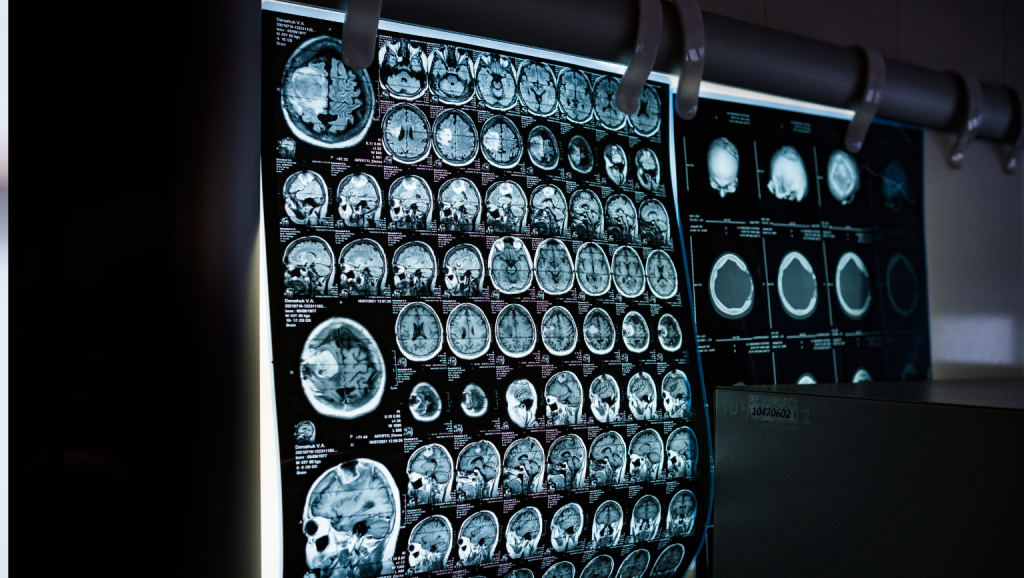
Deep Brain Stimulation (DBS) is an advanced neurosurgical procedure designed to manage movement disorders that do not respond adequately to medication. It is most commonly used to treat Parkinson’s disease, essential tremor, and dystonia. DBS can significantly reduce disabling symptoms such as tremors, stiffness, slowness of movement, and involuntary muscle contractions.
At Tarlac Medical Center, we provide comprehensive neurological evaluation, advanced imaging assessment, and precise surgical implantation of DBS systems. Our goal is to improve quality of life for patients experiencing debilitating neurological symptoms while maintaining the highest standards of safety and precision.
DBS is not a cure for neurological disease, but it can effectively control symptoms and allow patients to regain independence in daily activities.
Conditions Treated with DBS
Deep Brain Stimulation may be recommended for patients with:
- Parkinson’s disease with uncontrolled motor symptoms
- Essential tremor that interferes with daily tasks
- Dystonia causing painful muscle contractions
- Medication-related motor fluctuations
- Severe tremors not responsive to drug therapy
Patients are carefully evaluated by neurologists and neurosurgeons to determine candidacy. Ideal candidates are those whose symptoms improve with medication but experience significant side effects or reduced effectiveness over time.
How DBS Works
DBS works by delivering controlled electrical impulses to specific areas of the brain responsible for abnormal movement signals.
The procedure involves three main components:
- Implantation of a small electrode in targeted brain regions that control movement
- Placement of a pulse generator (battery pack) under the skin, typically near the chest
- Connection of the electrode to the generator via thin wires placed under the skin
The device sends continuous electrical signals that regulate abnormal brain activity, helping restore more normal movement patterns. The stimulation settings can be adjusted externally by specialists to optimize symptom control.
Unlike destructive brain surgeries, DBS does not permanently damage brain tissue. The stimulation is adjustable and reversible.
The Surgical Procedure
DBS surgery is performed in stages and typically involves advanced imaging such as MRI or CT scanning for precise targeting.
During surgery:
- The patient may be lightly sedated or awake for part of the procedure to allow neurological testing.
- Electrodes are carefully placed in the targeted brain area.
- Brain signals are monitored to confirm correct positioning.
- The pulse generator is implanted under general anesthesia.
The procedure may take several hours, depending on complexity. After implantation, the system is programmed and adjusted over several visits to achieve optimal results.
Benefits of Deep Brain Stimulation
For properly selected patients, DBS can provide substantial improvement in symptoms, including:
- Reduced tremors
- Improved motor control
- Decreased muscle rigidity
- Fewer involuntary movements
- Reduced medication dependence
- Enhanced overall quality of life
Many patients experience improved ability to perform daily tasks such as eating, writing, dressing, and walking.
However, outcomes vary depending on the underlying condition and disease progression. Careful patient selection and expert surgical execution are essential for successful results.
Recovery and Follow-Up Care
Most patients stay in the hospital for observation after surgery. Mild swelling, headache, or temporary discomfort at the incision sites may occur.
Recovery typically includes:
- Wound healing monitoring
- Device programming sessions
- Medication adjustments
- Ongoing neurological evaluation
The DBS device battery lasts several years and may need replacement through a minor procedure.
Long-term follow-up is critical to maintain symptom control and optimize stimulation settings.
Why Choose Tarlac Medical Center?
We are committed to delivering advanced neurosurgical solutions with compassionate, patient-centered care. Our advantages include:
- Experienced neurosurgeons and neurologists
- Advanced brain imaging and targeting systems
- Structured multidisciplinary evaluation
- Comprehensive postoperative programming and follow-up
- Modern surgical and recovery facilities
Our team works closely with patients and families to ensure realistic expectations, safe procedures, and long-term support.
Frequently Asked Questions About DBS
Is Deep Brain Stimulation a cure for Parkinson’s disease?
No. DBS does not cure Parkinson’s disease, but it significantly improves symptoms and quality of life in many patients.
Who is a candidate for DBS?
Patients with movement disorders not adequately controlled by medication may be considered. A detailed neurological evaluation is required.
Is the procedure safe?
DBS is generally safe when performed by experienced specialists, though risks such as infection, bleeding, or device complications exist.
Will I still need medication after DBS?
Many patients can reduce their medication dosage, but most continue taking some form of medication.
Can the device be adjusted after surgery?
Yes. The stimulation settings are programmable and can be modified externally to optimize symptom control.
About Tarlac Medical Center

The TARLAC MEDICAL CENTER focuses on the hospital’s commitment to excellence and distinction in patient care.
Quick Links
Contact Information
Address: 8th St. TDMC Hospital Drive, Fairlane Subd, San Vicente, Tarlac City
Email: marketing.tarlacmed@gmail.com
Phone: (045) 809 0050