Call : (045) 809 0050
Email : tarlacmed@tarlacmedicalcenter.com.ph

Lumpectomy (Breast Tumor Removal Surgery)
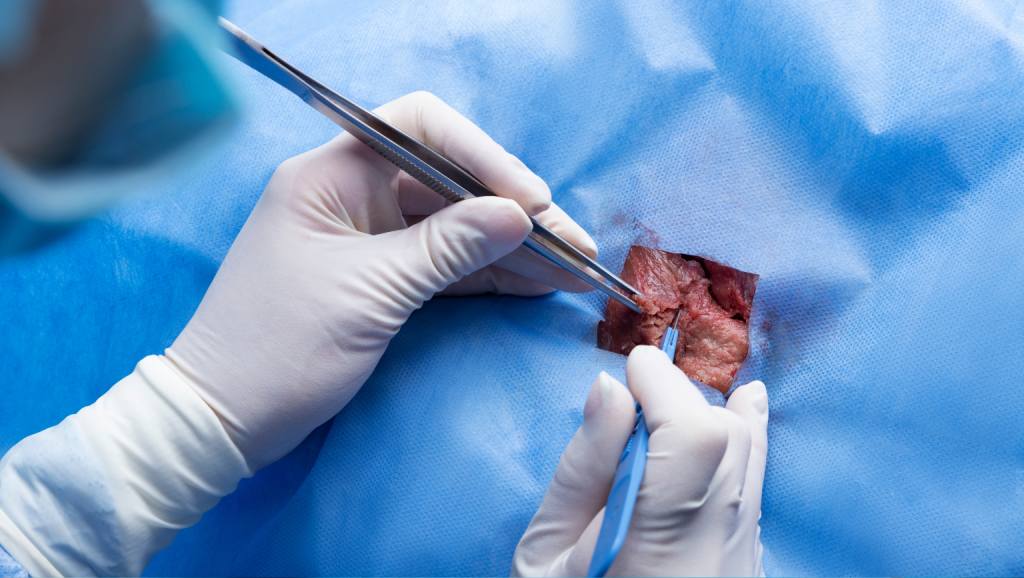
A lumpectomy is a breast-conserving surgical procedure that removes a tumor or abnormal breast tissue while preserving most of the natural breast. It is commonly performed for early-stage breast cancer and certain benign breast conditions. At Tarlac Medical Center, we provide precise, evidence-based, and compassionate surgical care designed to prioritize both medical safety and cosmetic outcomes.
For many women, a lumpectomy offers an effective treatment option that removes cancer while maintaining the natural contour and appearance of the breast. When detected early, breast tumors can often be treated successfully with breast-conserving surgery followed by appropriate adjuvant therapy. Early diagnosis, timely intervention, and a coordinated care plan significantly improve both survival rates and quality of life.
When Is a Lumpectomy Recommended?
A lumpectomy may be advised in several clinical situations, including:
- Early-stage breast cancer (Stage 0, I, or II)
- Small, localized tumors confined to one area of the breast
- Benign breast lumps such as fibroadenomas causing discomfort
- Suspicious biopsy findings requiring complete excision
- Abnormal mammogram or ultrasound results
Ductal carcinoma in situ (DCIS)
Not all breast cancer patients are candidates for lumpectomy. The decision depends on tumor size relative to breast size, tumor location, the presence of multiple tumors, prior radiation therapy, and overall health status. Before surgery, patients typically undergo diagnostic imaging such as mammography, breast ultrasound, or MRI, along with a biopsy to confirm the diagnosis.
Our surgical team carefully evaluates each case to determine whether breast-conserving surgery is the safest and most effective option.
The Lumpectomy Procedure
Lumpectomy is usually performed under general anesthesia to ensure patient comfort. The procedure generally follows these steps:
- The surgeon makes a carefully planned incision over or near the tumor site.
- The tumor is removed along with a small margin of surrounding healthy tissue to ensure complete excision.
- The excised tissue is sent to the laboratory for pathological analysis to confirm clear margins.
- If necessary, nearby lymph nodes (sentinel lymph nodes) may be evaluated to check for cancer spread.
- The incision is closed using techniques that minimize scarring and preserve breast appearance.
The surgery typically lasts between 1 to 2 hours. Many patients are discharged on the same day or within 24 hours, depending on their condition and recovery from anesthesia.
If pathology results show that cancer cells are present at the margins, a second procedure may sometimes be required to remove additional tissue.
Recovery and Aftercare
Recovery after lumpectomy is generally faster and less extensive compared to mastectomy. Most patients experience:
- Mild swelling, bruising, or tenderness around the surgical site
- Temporary numbness or tightness
- Mild fatigue in the first few days
Light daily activities can often be resumed within a few days. Strenuous exercise, heavy lifting, and upper body strain should be avoided for about 2–3 weeks or as advised by the surgeon.
Follow-up appointments are essential to monitor healing and review final pathology results. If cancer is confirmed, radiation therapy is commonly recommended to reduce the risk of recurrence. In some cases, chemotherapy or hormonal therapy may also be part of a comprehensive treatment plan.
Emotional support is equally important during recovery. Our team ensures patients receive guidance, reassurance, and clear communication throughout the healing process.
Benefits of Lumpectomy
Lumpectomy offers several advantages when medically appropriate:
- Preserves most of the natural breast
- Shorter recovery time compared to mastectomy
- Effective cancer control for early-stage cases
- Less physical and emotional impact
- Minimal scarring with proper surgical technique
Studies show that, when combined with radiation therapy, lumpectomy can provide survival outcomes comparable to mastectomy for early-stage breast cancer.
Why Choose Tarlac Medical Center for Lumpectomy?
At Tarlac Medical Center, we are committed to delivering safe, patient-centered surgical care. Our approach includes:
- Experienced and skilled surgical specialists
- Advanced diagnostic imaging technology
- Coordinated multidisciplinary cancer care
- Private and comfortable recovery rooms
- Compassionate guidance from consultation to recovery
We prioritize safety, early intervention, and dignified care at every stage of treatment. Our goal is not only to treat disease but also to preserve confidence, comfort, and quality of life.
Frequently Asked Questions About Lumpectomy
What is a lumpectomy?
A lumpectomy is a breast-conserving surgery that removes a breast tumor along with a small margin of surrounding healthy tissue while preserving most of the breast.
When is a lumpectomy recommended?
It is typically recommended for early-stage breast cancer or small localized tumors that have not spread extensively.
Will I need radiation therapy after a lumpectomy?
In most cases, yes. Radiation therapy helps eliminate any remaining cancer cells and lowers the risk of recurrence.
How long is the recovery after a lumpectomy?
Most patients resume light activities within a few days, with full recovery in about 2–3 weeks.
Does a lumpectomy change the appearance of the breast?
There may be slight changes in shape or size, but surgeons aim to preserve natural appearance whenever possible.
About Tarlac Medical Center

The TARLAC MEDICAL CENTER focuses on the hospital’s commitment to excellence and distinction in patient care.
Quick Links
Contact Information
Address: 8th St. TDMC Hospital Drive, Fairlane Subd, San Vicente, Tarlac City
Email: marketing.tarlacmed@gmail.com
Phone: (045) 809 0050