Call : (045) 809 0050
Email : tarlacmed@tarlacmedicalcenter.com.ph

Neurovascular and Skull Base Surgery in Tarlac
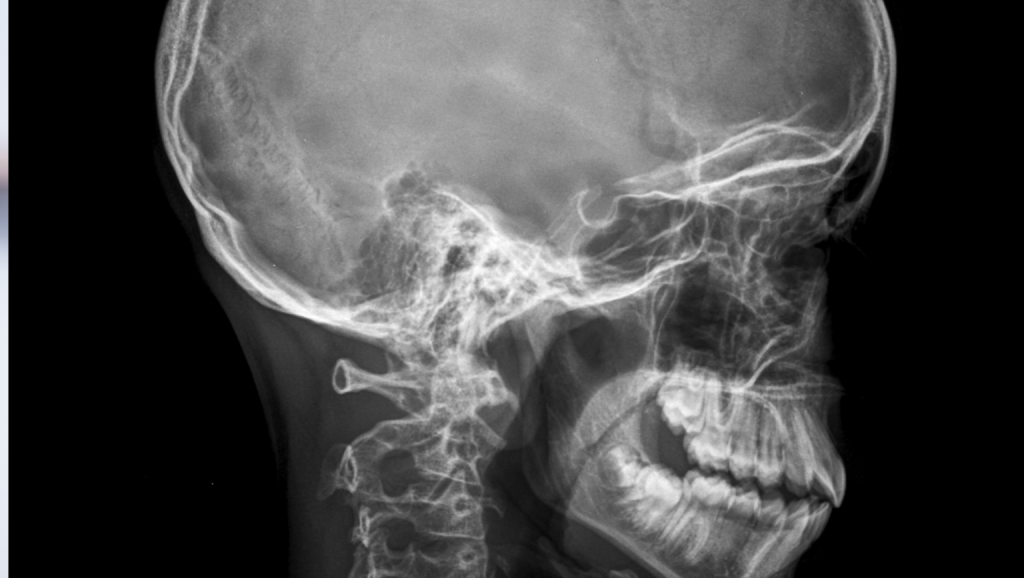
Neurovascular and skull base surgery focuses on the treatment of highly complex conditions involving the brain’s blood vessels and the deep structures located at the base of the skull. These areas contain critical nerves, arteries, and veins responsible for movement, sensation, vision, speech, and other essential body functions.
Because of the delicate anatomy involved, these procedures require exceptional precision, advanced imaging technology, and specialized neurosurgical expertise. At Tarlac Medical Center, we provide comprehensive evaluation and surgical management for intricate neurological disorders, combining modern operating facilities with a multidisciplinary team approach to ensure safe and effective treatment.
Early diagnosis and timely surgical intervention are crucial in preventing permanent neurological damage, stroke, or life-threatening complications.
Conditions Managed
Our neurosurgical team evaluates and treats a wide range of neurovascular and skull base conditions, including:
- Brain aneurysms (weakened blood vessel walls that may rupture)
- Arteriovenous malformations (AVMs)
- Skull base tumors
- Pituitary tumors
- Complex vascular abnormalities
- Cavernous malformations
- Meningiomas located at the skull base
- Tumors affecting cranial nerves
These conditions may present with symptoms such as severe headaches, vision problems, seizures, weakness, facial numbness, hormonal imbalance, or unexplained neurological deficits. Some cases are discovered incidentally through imaging studies performed for unrelated reasons.
Prompt evaluation using MRI, CT scans, angiography, and hormonal testing (when appropriate) allows accurate diagnosis and careful surgical planning.
Advanced Diagnostic Evaluation
Managing neurovascular and skull base disorders begins with detailed diagnostic workup. Our approach may include:
- Magnetic Resonance Imaging (MRI)
- Computed Tomography (CT) scans
- Cerebral angiography to assess blood vessel abnormalities
- Endocrine evaluation for pituitary disorders
- Multidisciplinary case review
Each patient’s condition is thoroughly assessed to determine whether surgery, observation, or other specialized treatment options are most appropriate.
Surgical Approach
Neurovascular and skull base procedures are among the most technically demanding surgeries in neurosurgery. The surgical plan is customized based on the type, size, and location of the lesion.
Procedures may involve:
Microsurgical Techniques
High-powered operating microscopes allow surgeons to visualize tiny blood vessels and nerves with extreme accuracy.
Image-Guided Navigation
Advanced computer-assisted navigation systems help map the surgical pathway, improving precision and minimizing damage to surrounding tissues.
Minimally Invasive Approaches
Whenever possible, smaller incisions and targeted approaches are used to reduce tissue disruption and promote faster recovery.
Endoscopic Techniques
In select cases, especially for pituitary tumors, endoscopic surgery through the nasal passage may be performed to avoid large external incisions.
During surgery, careful monitoring of neurological function helps protect critical brain structures and blood vessels.
Postoperative Monitoring and Recovery
After surgery, patients are transferred to a specialized monitoring unit for close neurological observation. Postoperative care may include:
- Continuous monitoring of vital signs
- Neurological assessments
- Imaging studies to confirm surgical success
- Hormonal evaluation if the pituitary gland is involved
Hospital stay varies depending on the complexity of the procedure. Some minimally invasive surgeries may require shorter recovery periods, while major vascular or skull base operations may involve extended hospitalization and rehabilitation.
Rehabilitation services, including physical therapy and occupational therapy, may be recommended to support functional recovery.
Risks and Safety Measures
Due to the delicate nature of the brain’s vascular system and skull base anatomy, potential risks may include bleeding, infection, stroke, nerve injury, or hormonal imbalance. However, with advanced imaging, precise surgical planning, and experienced specialists, these risks are carefully minimized.
At Tarlac Medical Center, patient safety is our top priority. Each procedure is performed using strict surgical protocols and advanced monitoring technology.
Why Choose Tarlac Medical Center?
We are committed to delivering high-level neurosurgical care through:
- Skilled neurosurgeons with expertise in complex brain surgery
- Advanced imaging and navigation systems
- Modern operating suites equipped for delicate procedures
- Multidisciplinary collaboration with neurologists and endocrinologists
- Comprehensive postoperative monitoring and rehabilitation
Our goal is to provide safe, precise, and compassionate care for patients facing complex neurological conditions.
Frequently Asked Questions About Neurovascular and Skull Base Surgery
What is a brain aneurysm and why is surgery needed?
A brain aneurysm is a weakened area in a blood vessel that can rupture and cause life-threatening bleeding. Surgery may be needed to prevent rupture or treat bleeding.
Are skull base tumors always cancerous?
No. Many skull base tumors are benign, but they can still cause serious symptoms due to their location near critical nerves and blood vessels.
Is neurovascular surgery high risk?
These procedures are complex, but with experienced neurosurgeons and advanced technology, risks are carefully managed and outcomes are optimized.
How long does recovery take?
Recovery depends on the type and complexity of surgery. Some patients recover within weeks, while others may require longer rehabilitation.
Will I need long-term follow-up after surgery?
Yes. Regular follow-up imaging and neurological evaluations are essential to monitor healing and detect any recurrence or complications.
About Tarlac Medical Center

The TARLAC MEDICAL CENTER focuses on the hospital’s commitment to excellence and distinction in patient care.
Quick Links
Contact Information
Address: 8th St. TDMC Hospital Drive, Fairlane Subd, San Vicente, Tarlac City
Email: marketing.tarlacmed@gmail.com
Phone: (045) 809 0050