Call : (045) 809 0050
Email : tarlacmed@tarlacmedicalcenter.com.ph

Upper and Lower GI Endoscopy at Tarlac Medical Center
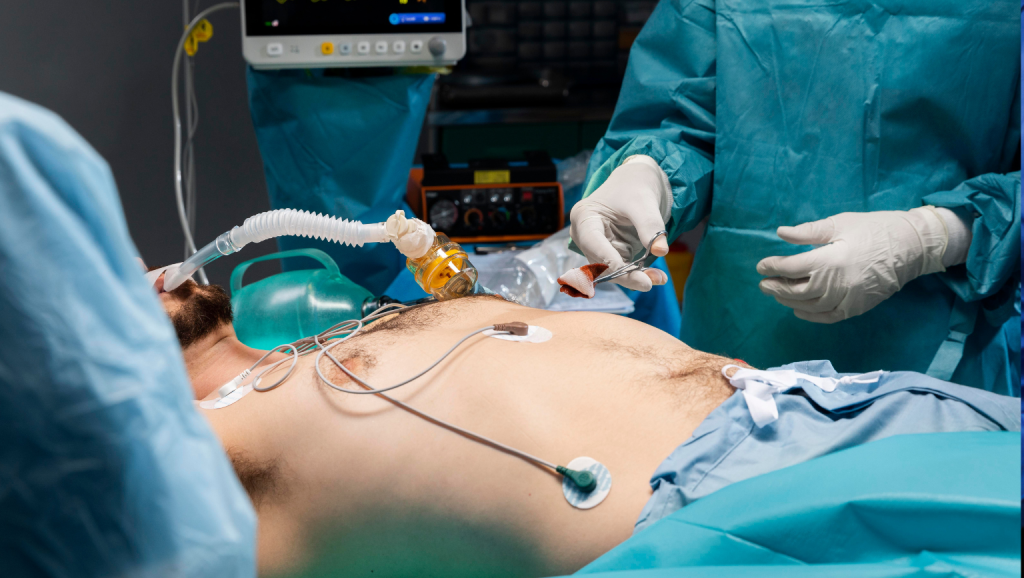
Upper and lower gastrointestinal (GI) endoscopy is a diagnostic procedure that allows doctors to examine the digestive tract using a flexible tube with a camera called an endoscope. An upper GI endoscopy evaluates the esophagus, stomach, and first part of the small intestine, while a lower GI endoscopy (colonoscopy) examines the colon and rectum.
At Tarlac Medical Center, we perform GI endoscopy procedures to accurately identify digestive conditions and guide appropriate treatment plans.
What Conditions Can Be Detected Through Endoscopy?
GI endoscopy helps diagnose a wide range of gastrointestinal conditions, including:
- Gastritis and stomach inflammation
- Peptic ulcers
- Gastroesophageal reflux disease (GERD)
- Polyps and abnormal growths
- Colon cancer and early-stage colorectal disease
- H. pylori infection
- Sources of unexplained abdominal pain or bleeding
Early detection through endoscopy plays a crucial role in preventing serious digestive complications.
How the Endoscopy Procedure Is Performed
We follow strict medical and safety protocols to ensure patient comfort and accuracy.
During the procedure:
- Patients are given mild sedation for comfort
- A thin, flexible endoscope is gently inserted through the mouth (upper GI) or rectum (lower GI)
- Real-time images allow the doctor to examine the digestive lining
- Tissue samples (biopsy) may be taken if necessary
The procedure is typically completed within 20 to 45 minutes, depending on findings.
Is Endoscopy Painful or Dangerous?
Endoscopy is generally not painful, as sedation helps patients remain relaxed throughout the procedure. Mild side effects such as bloating or throat discomfort may occur but usually resolve quickly.
When performed by trained specialists in a hospital setting, endoscopy is considered a safe and low-risk diagnostic procedure.
Preparation Before an Endoscopy
Proper preparation is essential for accurate results.
Preparation may include:
- Fasting for several hours before the procedure
- Temporary adjustment of medications
- Bowel preparation for lower GI endoscopy
Our medical team provides clear, step-by-step instructions before your scheduled procedure.
Endoscopy Price in the Philippines
The cost of endoscopy in the Philippines varies depending on whether the procedure is diagnostic or includes biopsy, as well as hospital facilities and sedation requirements.
At Tarlac Medical Center, we provide transparent pricing and will discuss the estimated cost during your consultation. For updated endoscopy prices in a private hospital, we encourage patients to contact us directly.
Why Choose Tarlac Medical Center for GI Endoscopy?
- Hospital-based endoscopy procedures
- Experienced medical specialists
- Modern diagnostic equipment
- Safe, sterile, and patient-focused environment
- Clear pre- and post-procedure guidance
We prioritize accuracy, safety, and patient comfort in every diagnostic service we provide.
Schedule an Endoscopy Consultation
If you are experiencing persistent digestive symptoms or require further evaluation, we encourage you to schedule a consultation at Tarlac Medical Center. Our team is ready to assist you with safe and reliable GI endoscopy services.
Frequently Asked Questions (FAQs)
What is the difference between endoscopy and colonoscopy?
Endoscopy often refers to upper GI examination, while colonoscopy is a type of endoscopy used to examine the colon and rectum.
How long does an endoscopy take?
Most procedures take between 20 and 45 minutes, excluding preparation and recovery time.
Can endoscopy detect cancer?
Yes. Endoscopy can detect early signs of stomach and colon cancer and allows for biopsy if abnormalities are seen.
How soon can I go home after the procedure?
Most patients can go home the same day after a short recovery period.