






Call : (045) 809 0050
Email : tarlacmed@tarlacmedicalcenter.com.ph

(045) 809 0050​

tarlacmed@tarlacmedicalcenter.com.ph

GASTRECTOMY (Stomach Surgery)

GASTRECTOMY (Stomach Surgery)

Gastrectomy is a surgical procedure involving the partial or total removal of the stomach. It is performed to treat serious stomach conditions such as tumors, severe ulcers, bleeding, or stomach cancer. At Tarlac Medical Center, we provide advanced gastrectomy procedures supported by experienced surgeons, modern facilities, and comprehensive postoperative care.

Stomach conditions that do not respond to medication may require surgical intervention to prevent complications such as bleeding, obstruction, or cancer progression.

Conditions That May Require Gastrectomy

Gastrectomy may be recommended for:

  • Stomach cancer
    • Large benign tumors
    • Severe peptic ulcer disease
    • Chronic gastric bleeding
    • Stomach perforation
    • Genetic cancer risk conditions

Early diagnosis and timely surgery improve outcomes and recovery.

Types of Gastrectomy

Depending on the diagnosis, different approaches may be used:

Partial Gastrectomy – Removal of a portion of the stomach while preserving the remaining section.
Total Gastrectomy – Removal of the entire stomach, followed by reconstruction to allow food to pass into the small intestine.
Sleeve Gastrectomy – Removal of a large portion of the stomach (sometimes for medical or weight-related conditions).

The surgical plan is customized to each patient’s condition.

What to Expect During Surgery

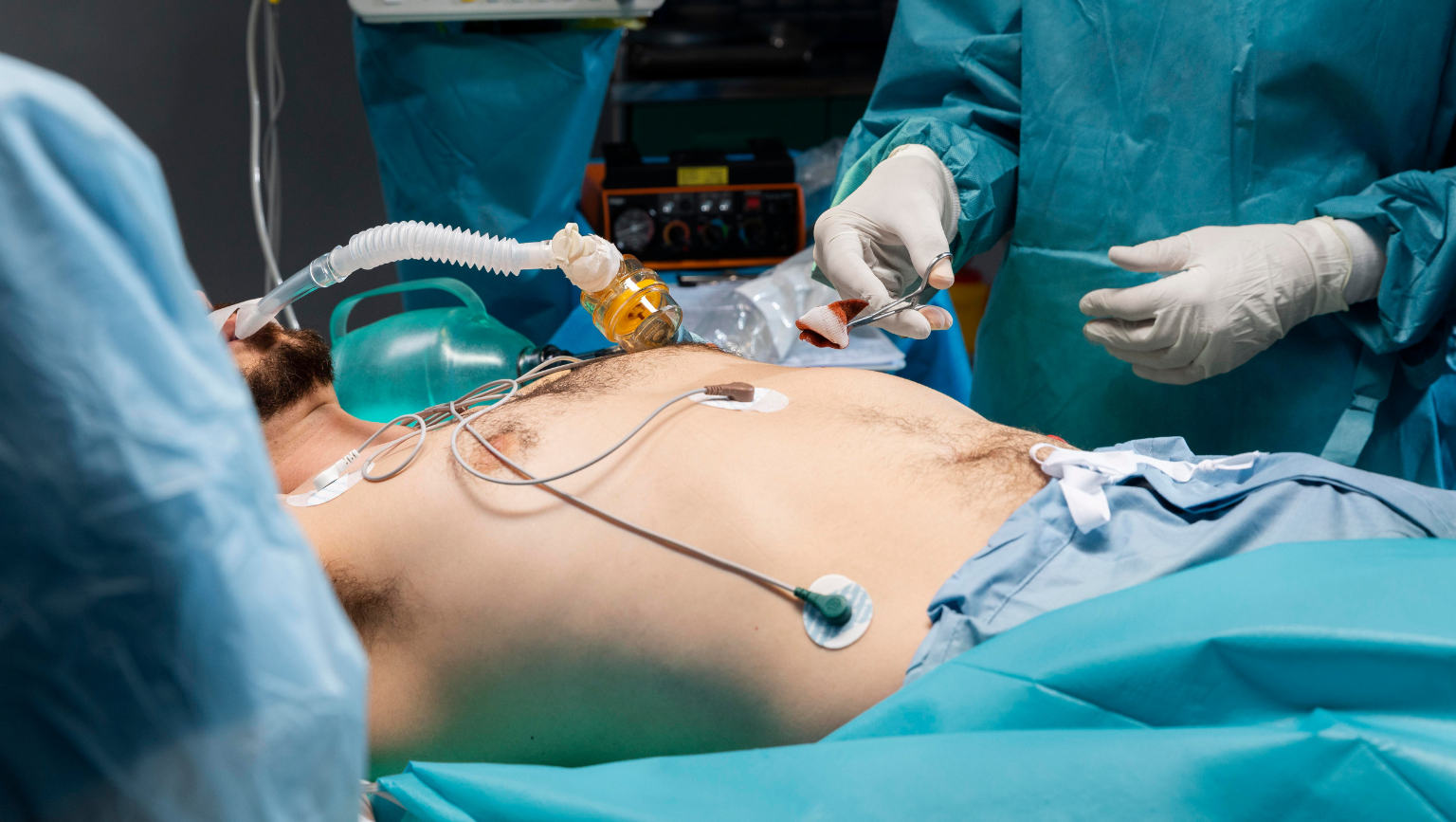
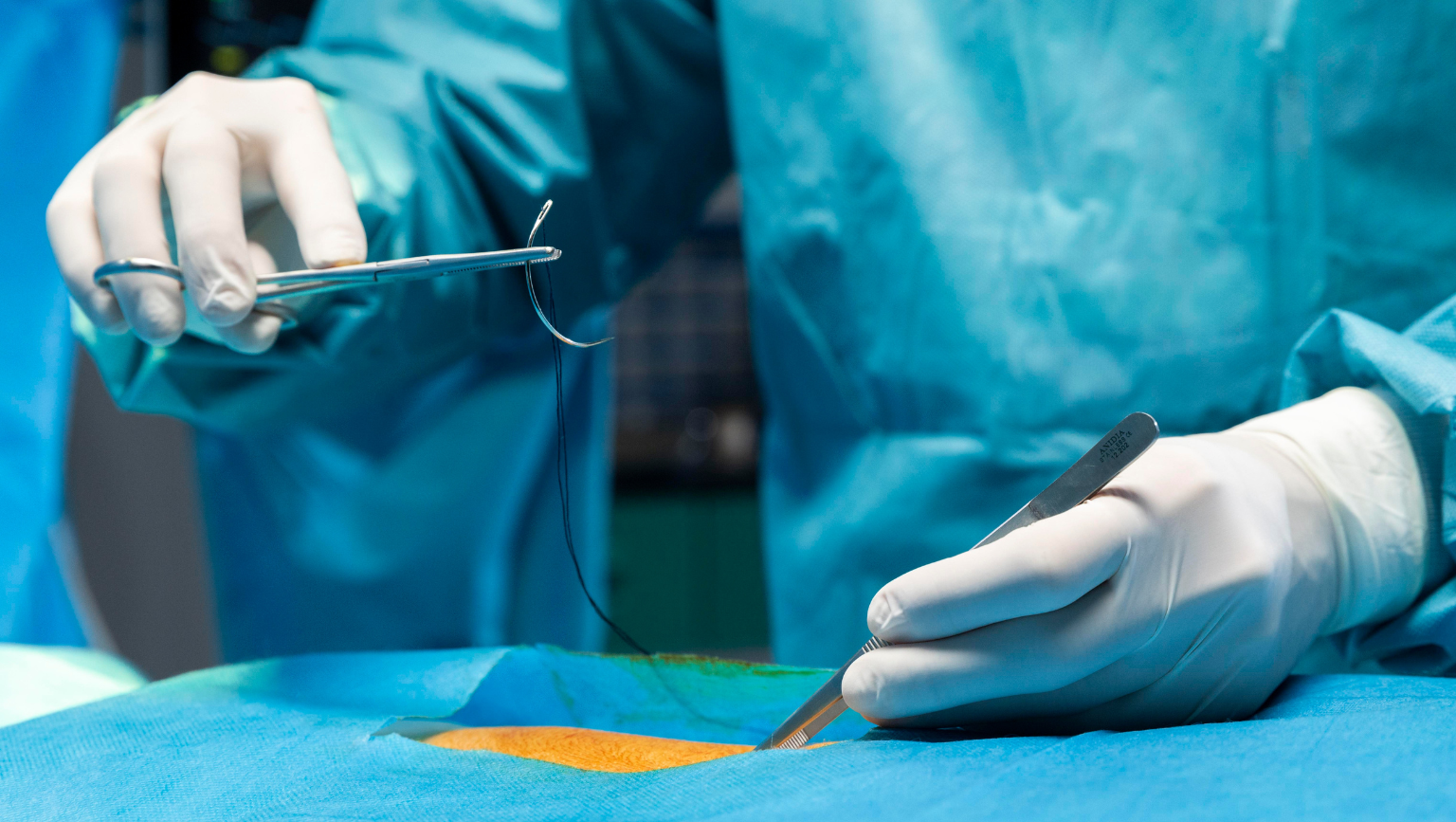
  1. The patient is placed under general anesthesia.
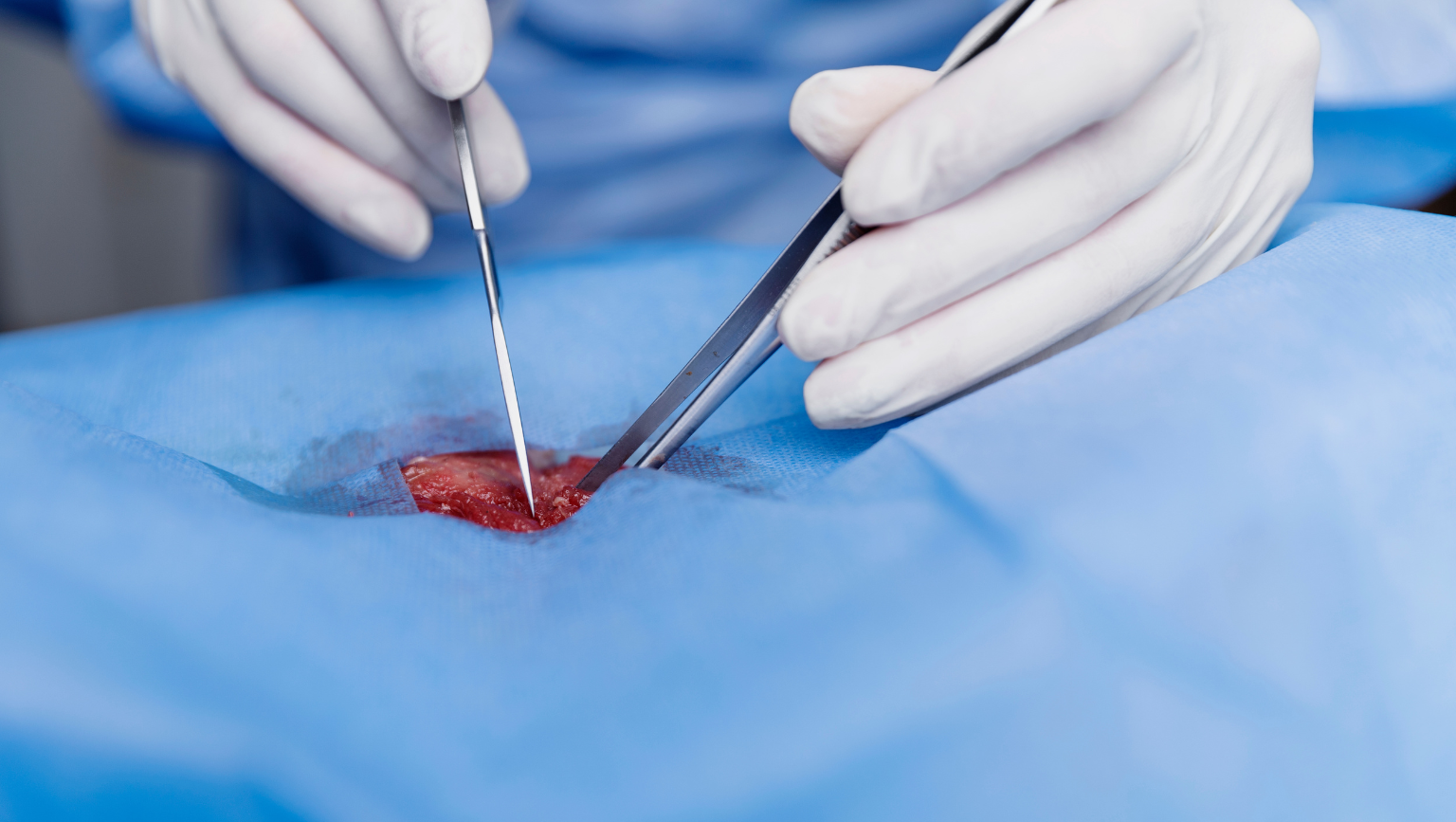
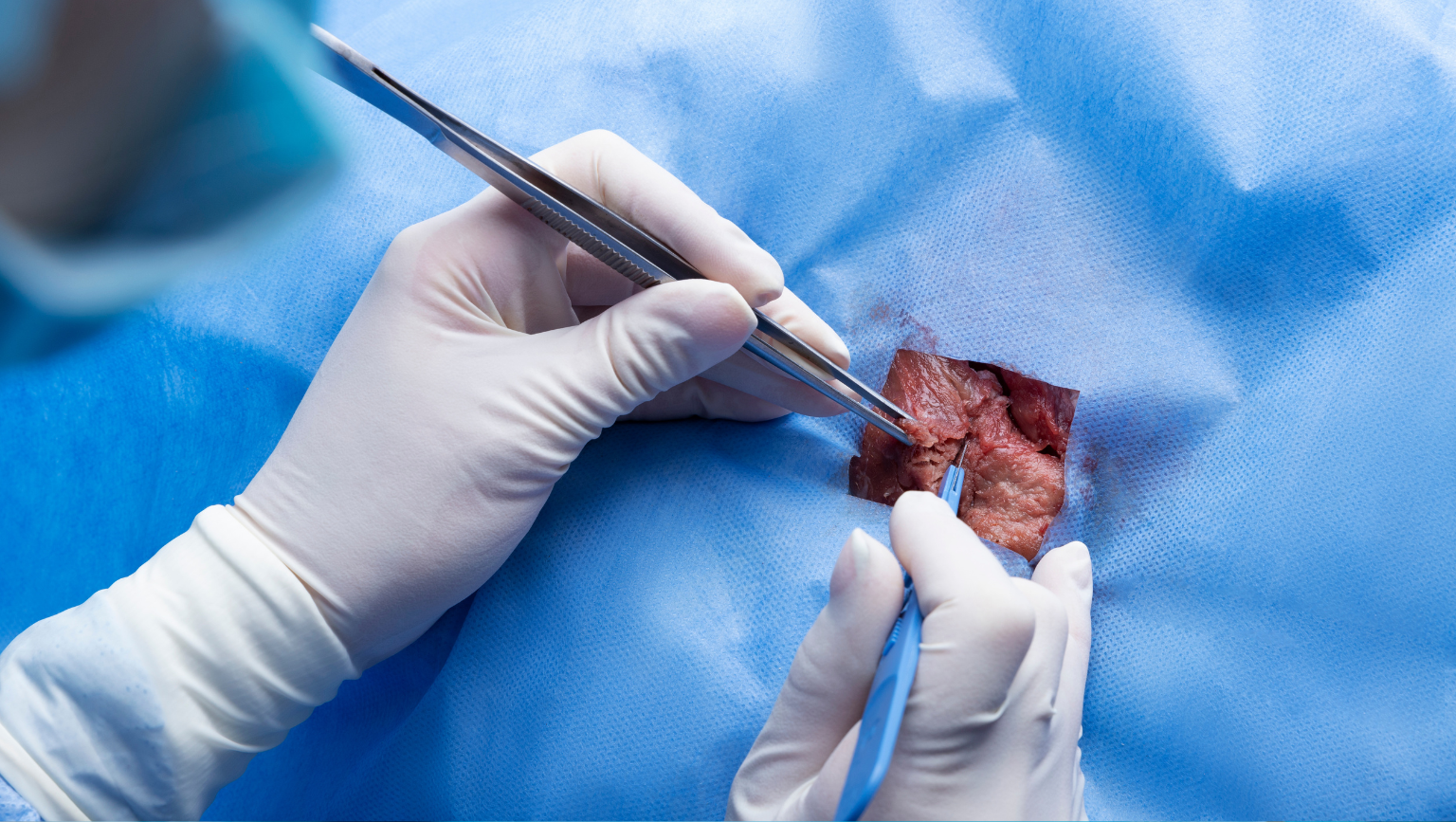
  2. The affected portion of the stomach is removed.
  3. The digestive tract is reconstructed.
  4. The surgical area is carefully monitored to prevent complications.

Hospital stay typically ranges from 5 to 10 days depending on complexity and recovery progress.

Recovery and Aftercare

Recovery after gastrectomy requires careful nutritional management.

Patients may experience:

  • Temporary appetite changes
  • Smaller meal portions
  • Gradual dietary adjustments

Our medical team provides structured postoperative guidance to ensure safe healing and nutritional balance.

Full recovery may take several weeks, depending on the extent of surgery.

Why Choose Tarlac Medical Center for Stomach Surgery?

We provide:

Experienced surgical specialists

  • Advanced diagnostic imaging
  • Modern operating facilities
  • Intensive postoperative monitoring
  • Private recovery rooms for comfort and privacy

Our team focuses on delivering safe, evidence-based surgical care while ensuring patient dignity and comfort throughout treatment.

Frequently Asked Questions About Gastrectomy

What is a gastrectomy?

A gastrectomy is a surgical procedure that involves removing part or all of the stomach. It is commonly performed to treat stomach cancer, severe ulcers, stomach bleeding, tumors, or other serious gastric conditions. The remaining portion of the digestive tract is then reconnected to allow normal digestion.

Is gastrectomy a major surgery?

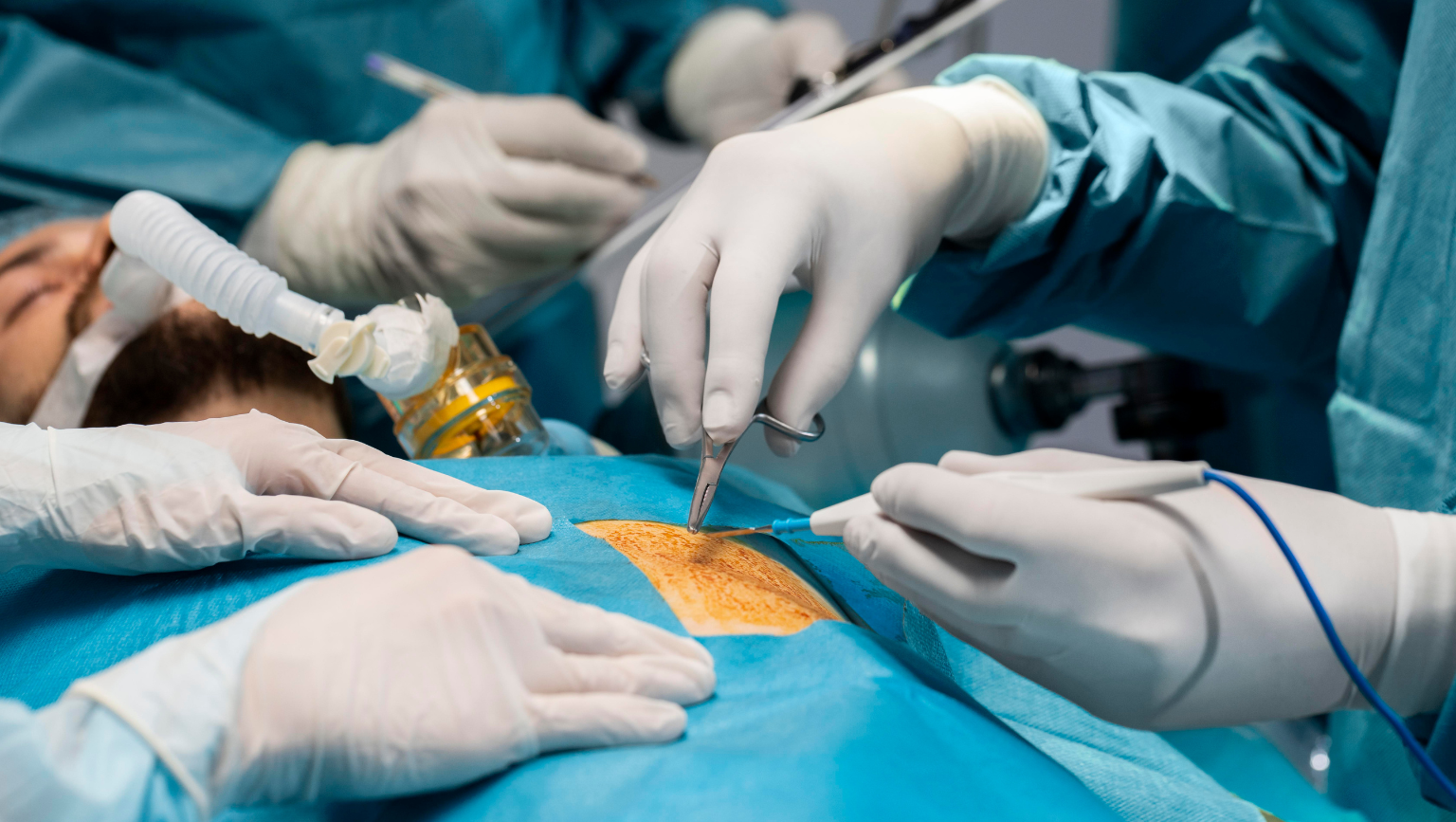
Yes, gastrectomy is considered a major abdominal surgery. It is performed under general anesthesia and requires careful postoperative monitoring. At Tarlac Medical Center, the procedure is conducted by experienced surgeons in a fully equipped operating room to ensure patient safety.

How long is the recovery period?

Hospital stay typically ranges from 5 to 10 days, depending on the extent of surgery and the patient’s overall health. Full recovery may take several weeks. Patients will gradually transition from liquid to soft foods before returning to a modified regular diet.

Will my diet change after gastrectomy?

Yes. After surgery, patients usually need to eat smaller, more frequent meals. Nutritional adjustments are necessary because the stomach’s capacity is reduced. Your healthcare team will provide dietary guidance to ensure proper nutrition and recovery.

When should I seek immediate medical attention after surgery?

Seek urgent care if you experience high fever, severe abdominal pain, persistent vomiting, difficulty swallowing, bleeding, or signs of infection at the incision site. Early medical evaluation helps prevent serious complications.

Scroll to Top