


Call : (045) 809 0050
Email : tarlacmed@tarlacmedicalcenter.com.ph

(045) 809 0050​

tarlacmed@tarlacmedicalcenter.com.ph

Goiter Removal Surgery in Tarlac

Goiter Removal Surgery

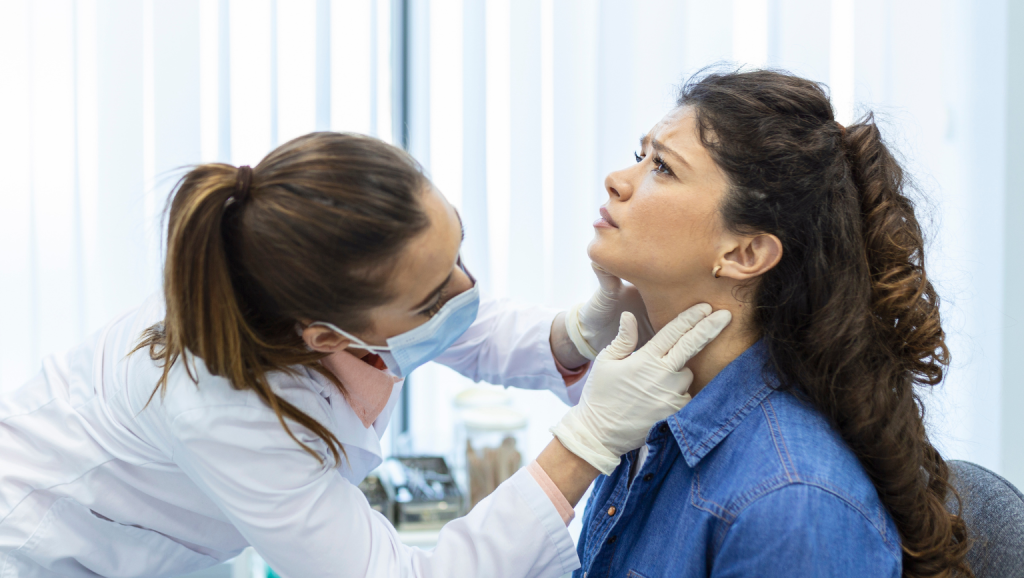
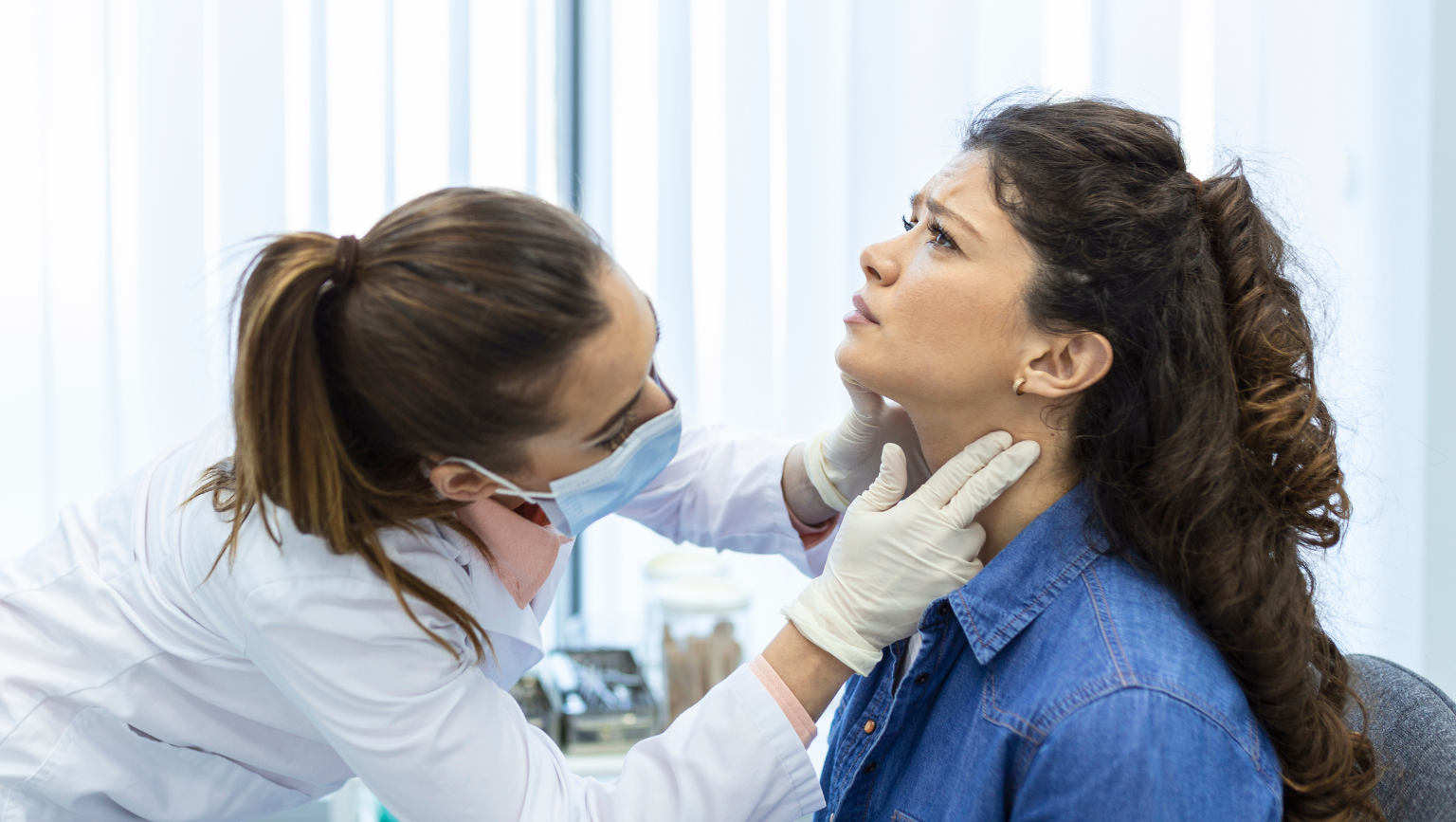
Goiter removal surgery is performed to treat an enlarged thyroid gland that may cause visible neck swelling, difficulty swallowing, breathing problems, or hormonal imbalance. At Tarlac Medical Center, we provide comprehensive thyroid evaluation and advanced surgical management to ensure safe treatment and optimal recovery.

A goiter may develop due to iodine deficiency, thyroid hormone imbalance, nodules, or autoimmune conditions. While some goiters remain small and asymptomatic, others enlarge significantly and interfere with normal breathing or swallowing. In certain cases, surgery is recommended to relieve symptoms or rule out malignancy.

When Is Goiter Surgery Necessary?

Surgical removal may be advised if a patient experiences:

•Large or progressively enlarging neck swelling
• Difficulty swallowing or breathing
• Suspicion of thyroid cancer
• Hyperthyroidism not controlled by medication
• Cosmetic concerns due to visible enlargement
• Recurrent cystic or nodular growth

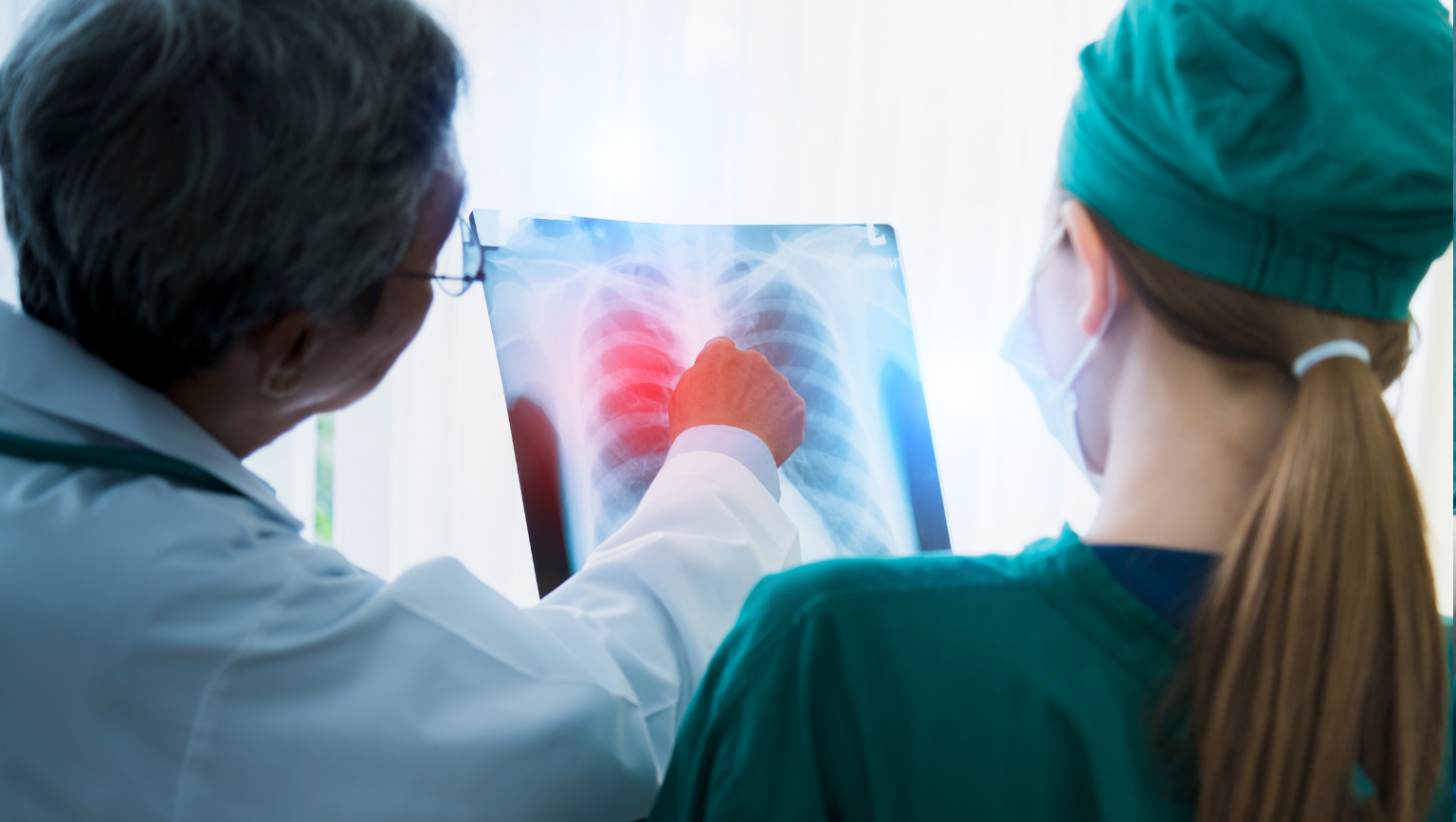
Comprehensive laboratory tests and imaging studies help determine whether surgery is the most appropriate treatment.

Types of Thyroid Surgery for Goiter

The surgical approach depends on the extent and cause of enlargement:

Partial Thyroidectomy – Removal of one portion of the thyroid gland
Subtotal Thyroidectomy – Removal of most of the gland
Total Thyroidectomy – Complete removal of the thyroid

The decision is based on the size of the goiter, hormonal activity, and biopsy findings.

The Surgical Procedure

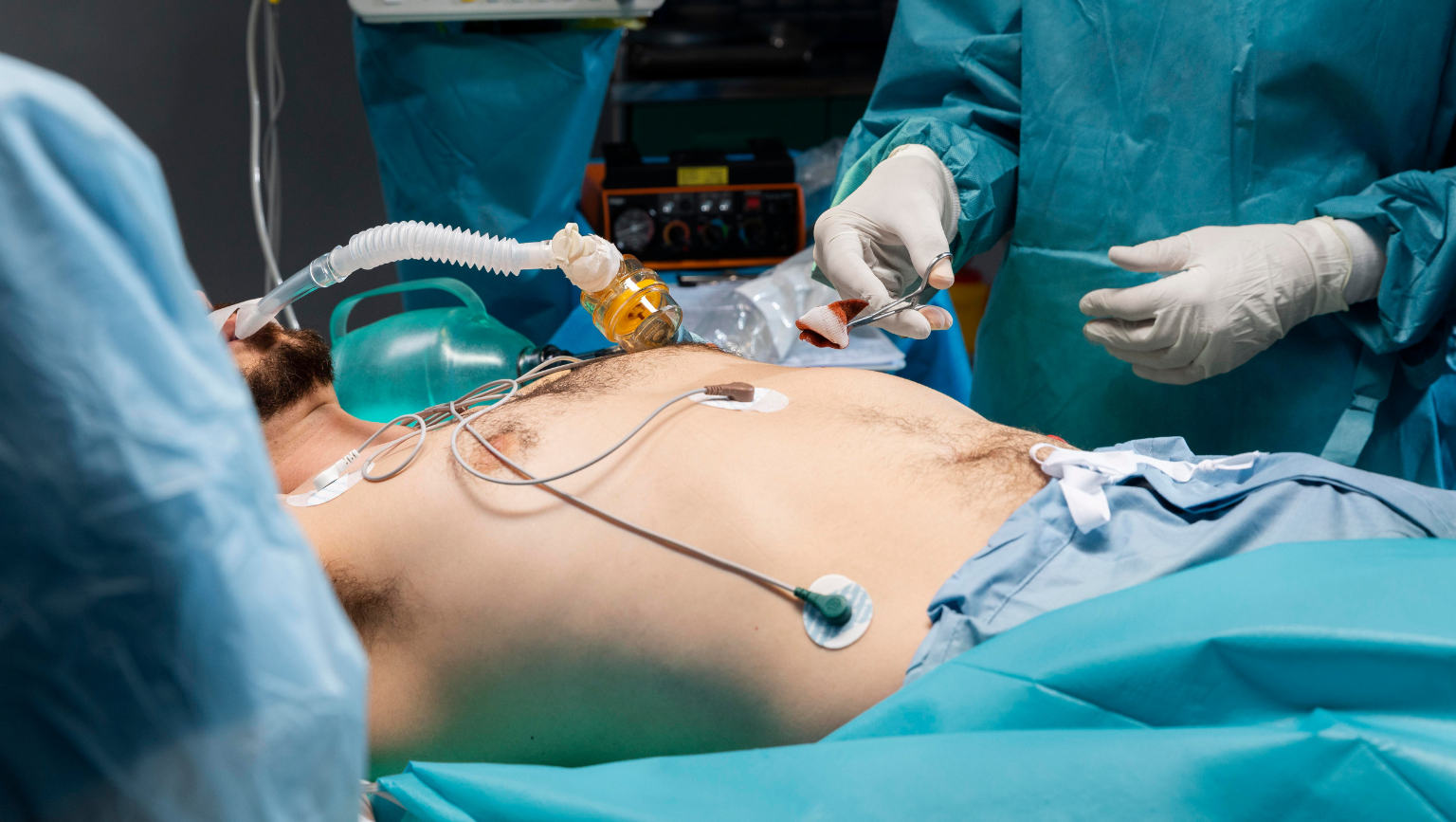
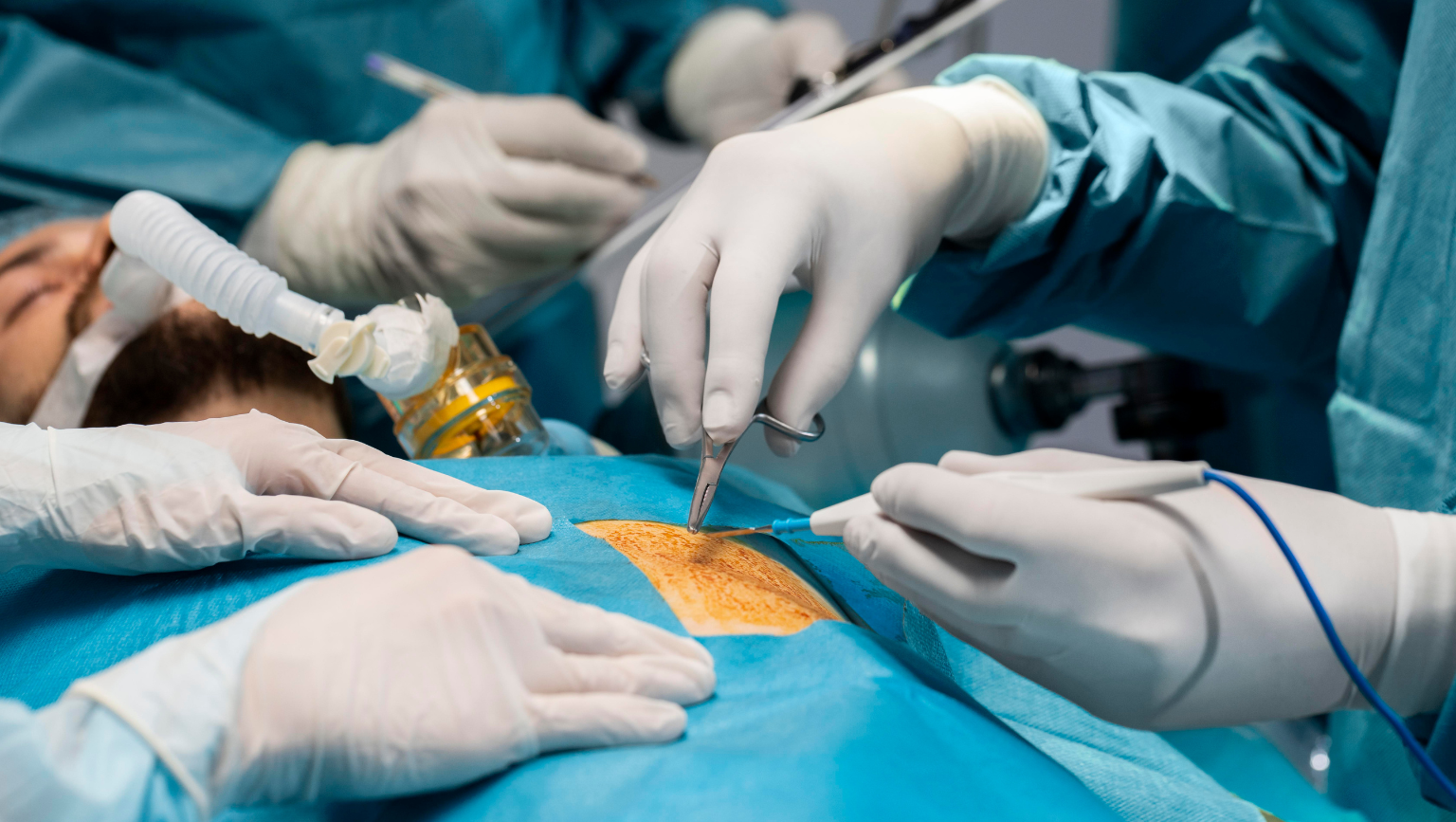
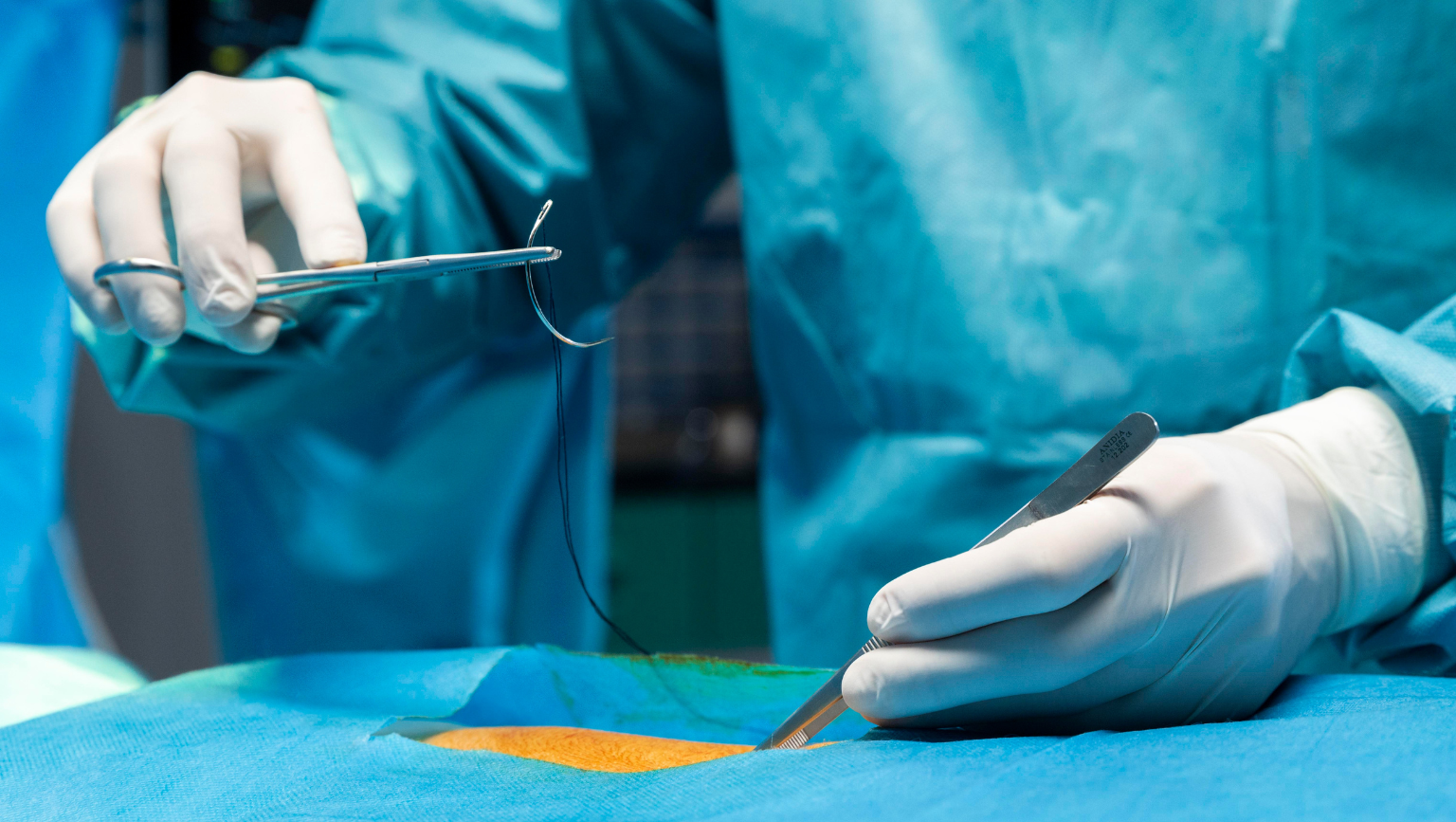
Goiter removal is performed under general anesthesia.

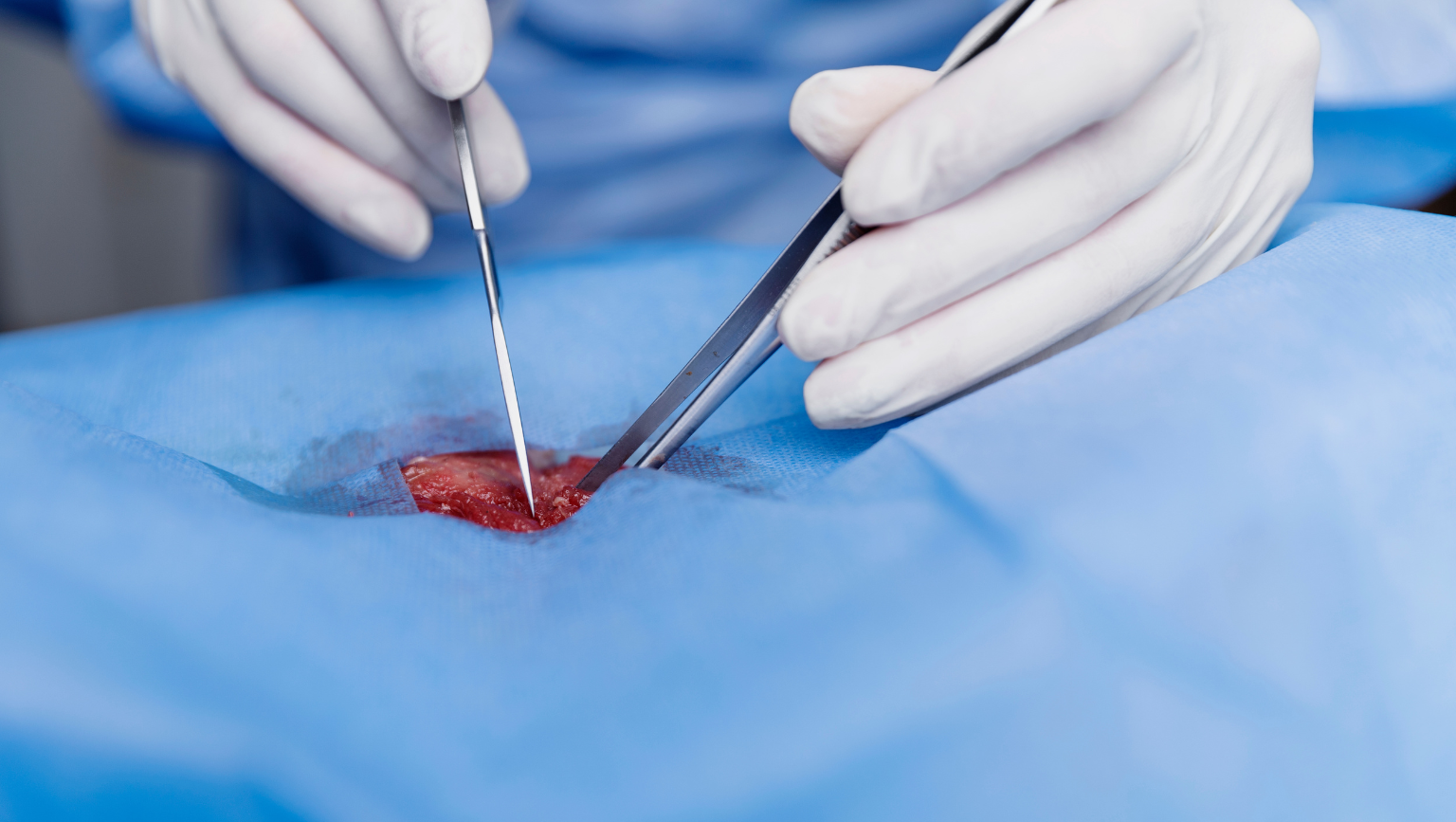
  1. A small incision is made in the lower neck.
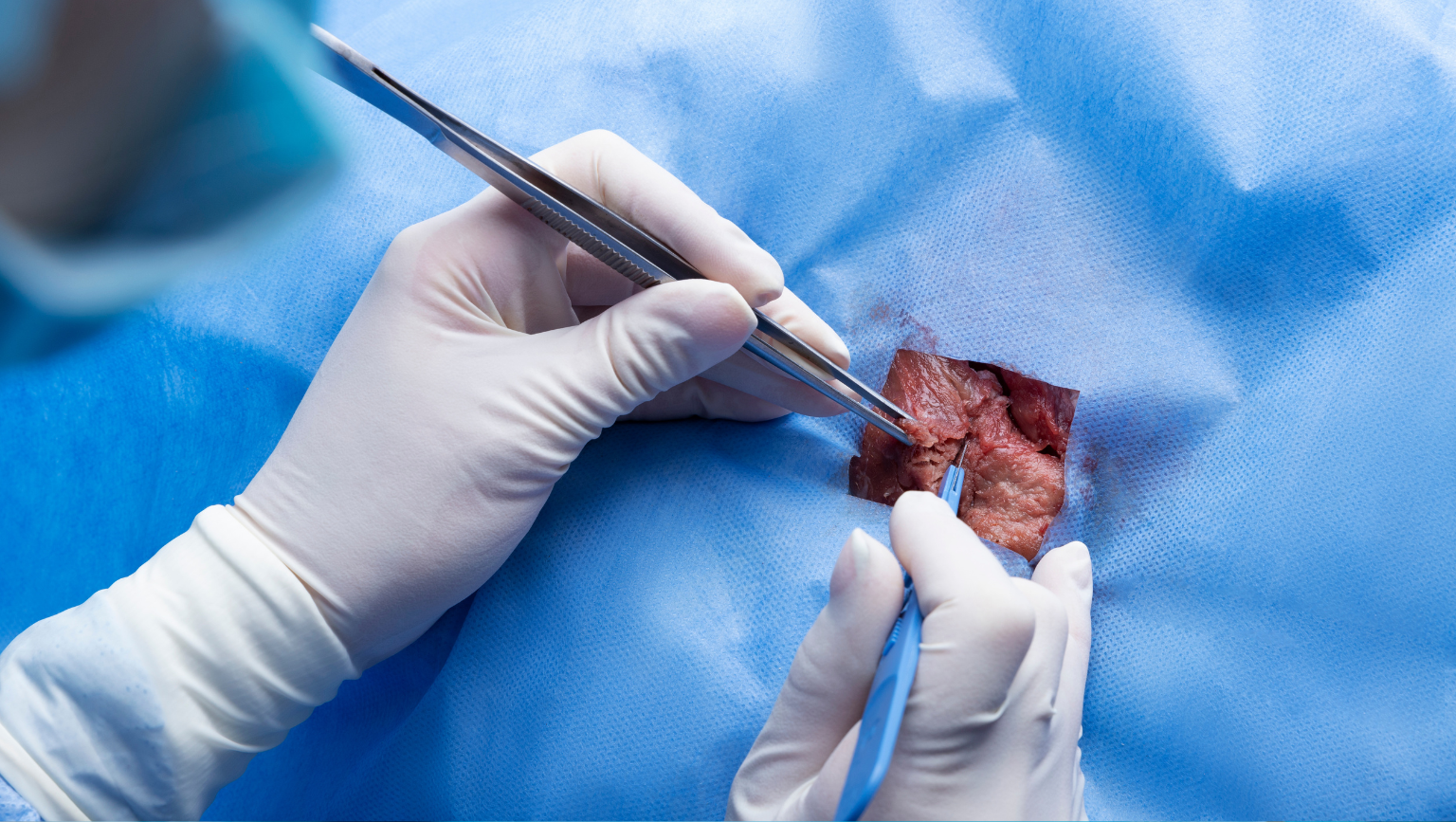
  2. The enlarged thyroid tissue is carefully removed.
  3. Surrounding nerves and structures are preserved.
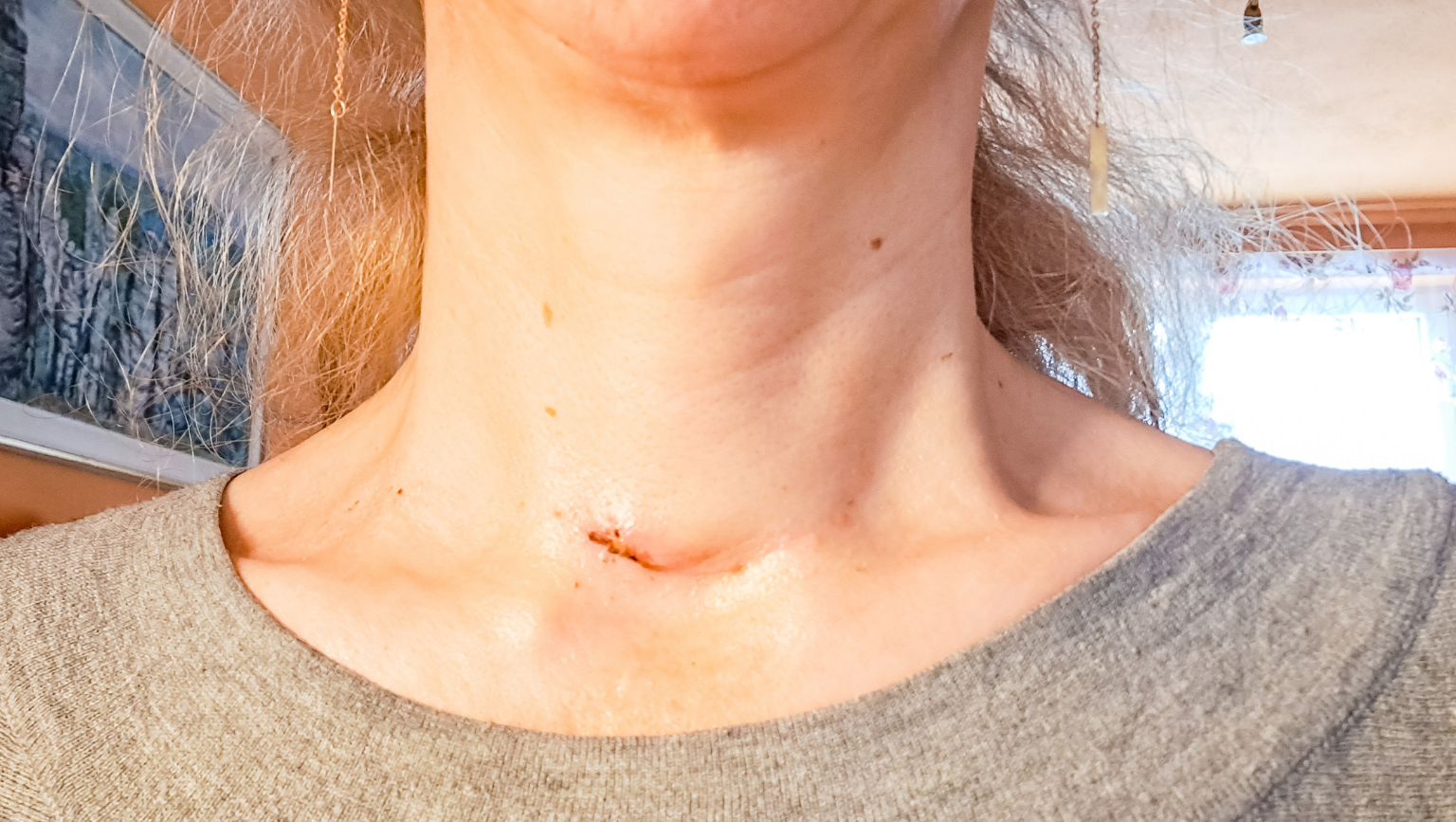
  4. The incision is closed with fine sutures for minimal scarring.

The procedure typically lasts 1–3 hours depending on complexity.

Recovery After Goiter Removal

Most patients stay in the hospital for 1–3 days for monitoring. Recovery includes:

  • Mild neck discomfort
  • Temporary voice changes in rare cases
  • Gradual return to normal activity within 2–3 weeks

If the entire thyroid is removed, thyroid hormone replacement therapy may be required.

Why Choose Tarlac Medical Center?

Patients benefit from:

  • Experienced thyroid surgeons
  • Advanced imaging and laboratory support
  • Careful nerve preservation techniques
  • Modern operating facilities
  • Comfortable private recovery rooms

We prioritize safety, precision, and compassionate care throughout treatment.

Frequently Asked Questions About Goiter Removal Surgery

What is goiter removal surgery?

Goiter removal surgery, also called thyroidectomy, is a procedure to remove part or all of the thyroid gland when it becomes enlarged (goiter). It is recommended if the goiter causes difficulty breathing or swallowing, produces excess thyroid hormones, or is suspected to be cancerous.

Is thyroid surgery safe?

Yes. Thyroidectomy is a commonly performed and generally safe procedure when done by experienced surgeons. At Tarlac Medical Center, surgery is performed in a modern operating room with careful monitoring to minimize risks and complications.

How long is the hospital stay and recovery?

Most patients stay in the hospital for 1 to 3 days after surgery. Light activities can usually resume within 1 to 2 weeks, while full recovery may take several weeks depending on the extent of the procedure.

Will I need to take medication after surgery?

If the entire thyroid gland is removed, lifelong thyroid hormone replacement medication will be required. If only part of the thyroid is removed, medication may or may not be necessary, depending on hormone levels after surgery.

When should I seek immediate medical attention after surgery?

Seek urgent care if you experience difficulty breathing, sudden neck swelling, persistent bleeding, high fever, or tingling sensations in the hands or face. These symptoms require prompt medical evaluation.

Scroll to Top