


A hernia occurs when internal tissue or an organ pushes through a weakened area in the abdominal wall or surrounding muscle. While some hernias may initially cause mild discomfort, they do not heal on their own and can gradually worsen over time. Hernia repair surgery corrects this weakness, relieves symptoms, and prevents serious complications.
At Tarlac Medical Center, we provide both open and laparoscopic hernia repair procedures tailored to each patient’s condition. Our goal is to deliver safe, effective treatment with minimal recurrence and a smooth recovery experience in a modern private hospital setting.
Hernias develop when pressure inside the abdomen pushes through a weak spot in the muscle wall. Several factors may contribute to hernia formation, including:
Without surgical repair, hernias may enlarge and become more painful over time.
Hernias can occur in different parts of the abdomen. The most common types treated at Tarlac Medical Center include:
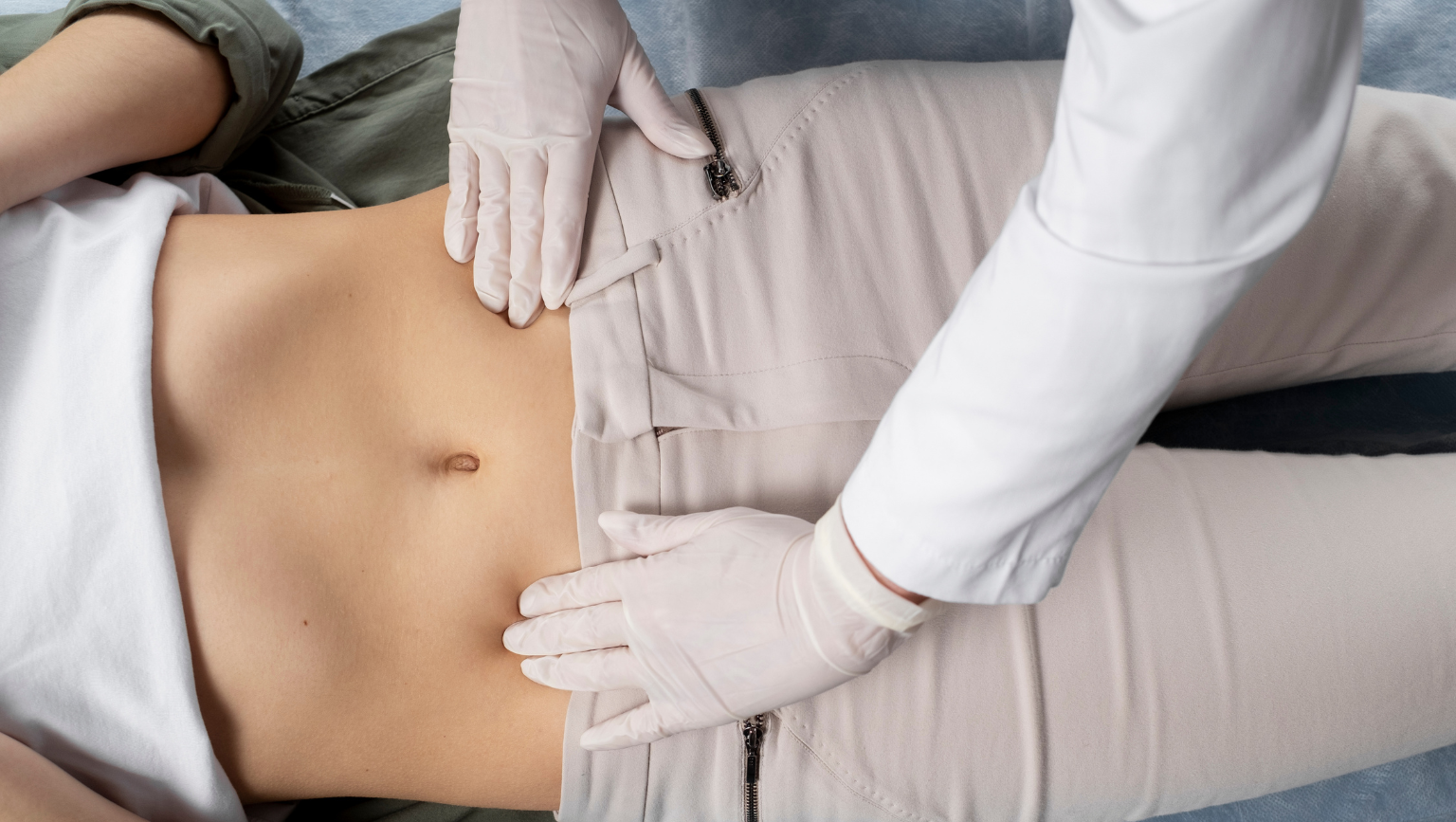
Symptoms may include visible bulging, discomfort, pressure, or pain that worsens when lifting heavy objects, coughing, or standing for long periods. Some patients may also experience a burning or aching sensation at the hernia site.
Although some hernias may not cause severe symptoms initially, delaying surgery increases the risk of complications. One of the most serious complications is strangulation, a condition where the blood supply to the trapped tissue is cut off. This can lead to tissue damage, infection, and life-threatening emergencies requiring urgent surgery.
Early hernia repair prevents these risks and allows for a safer, more controlled surgical procedure.
The appropriate surgical approach depends on the type, size, and location of the hernia, as well as the patient’s overall health.
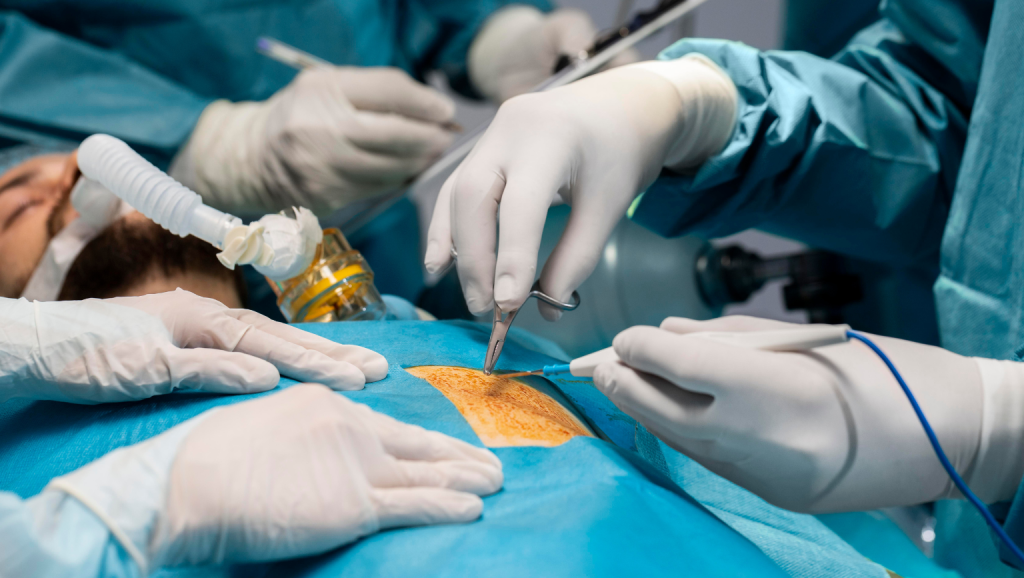
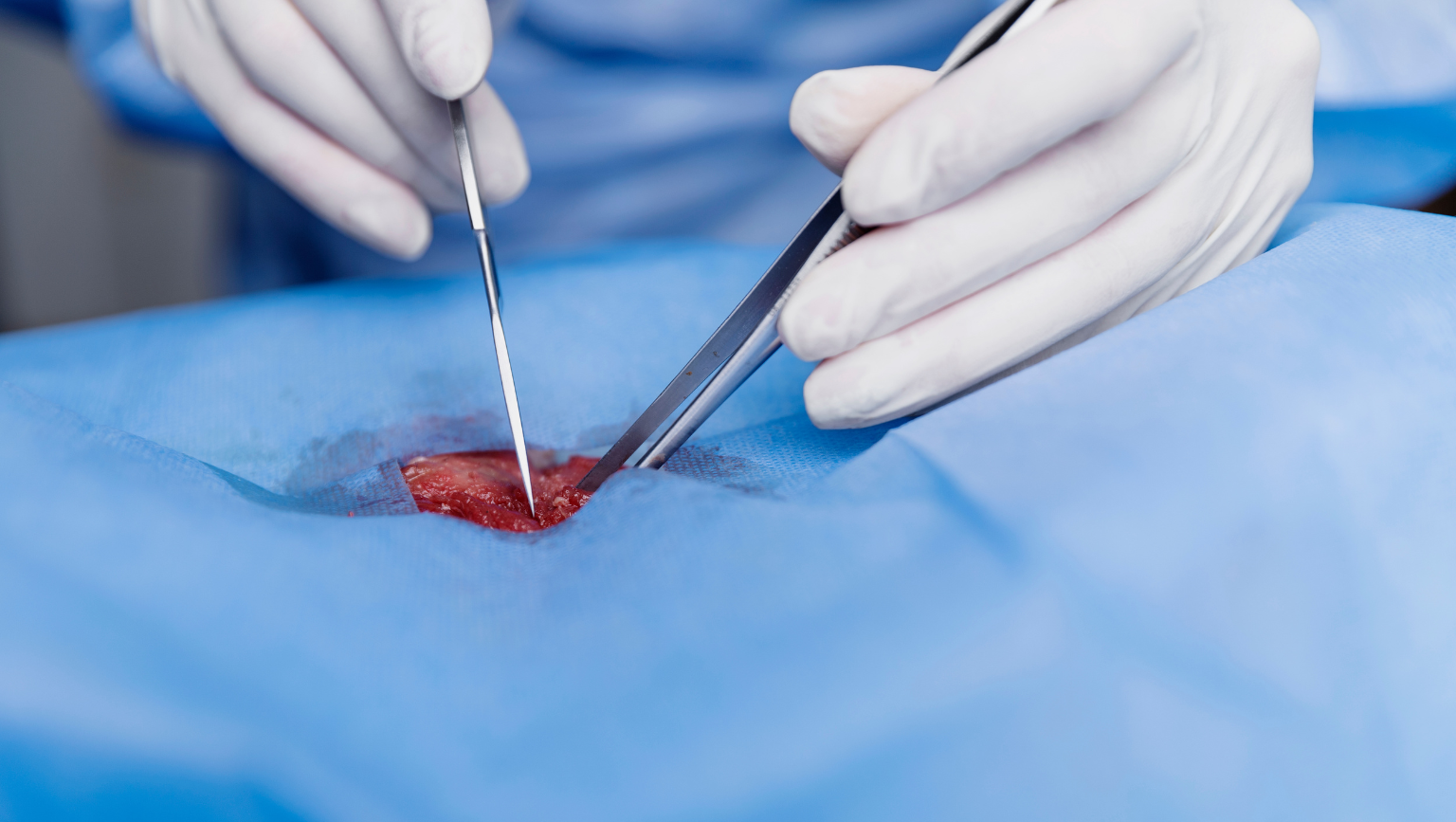
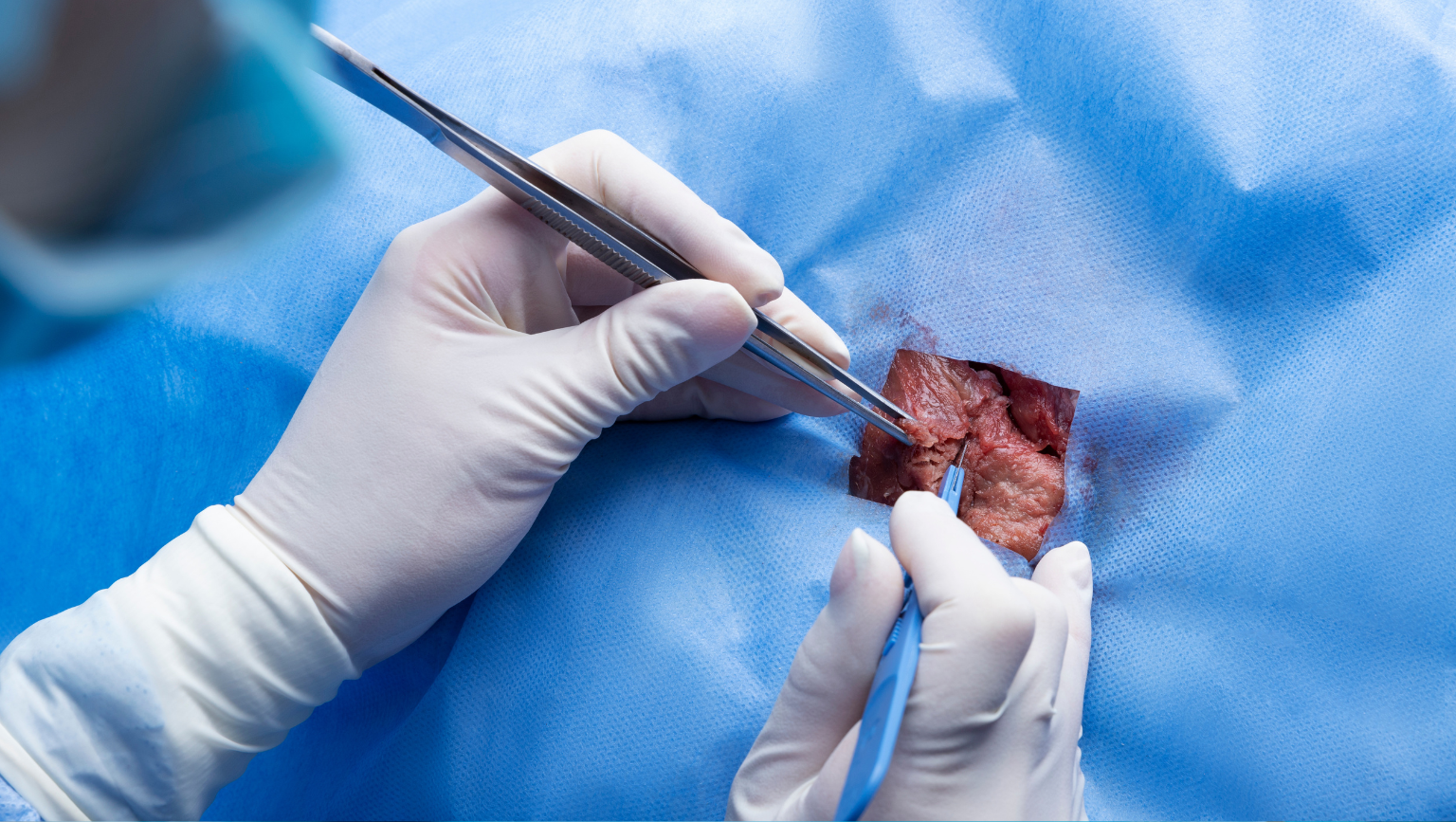
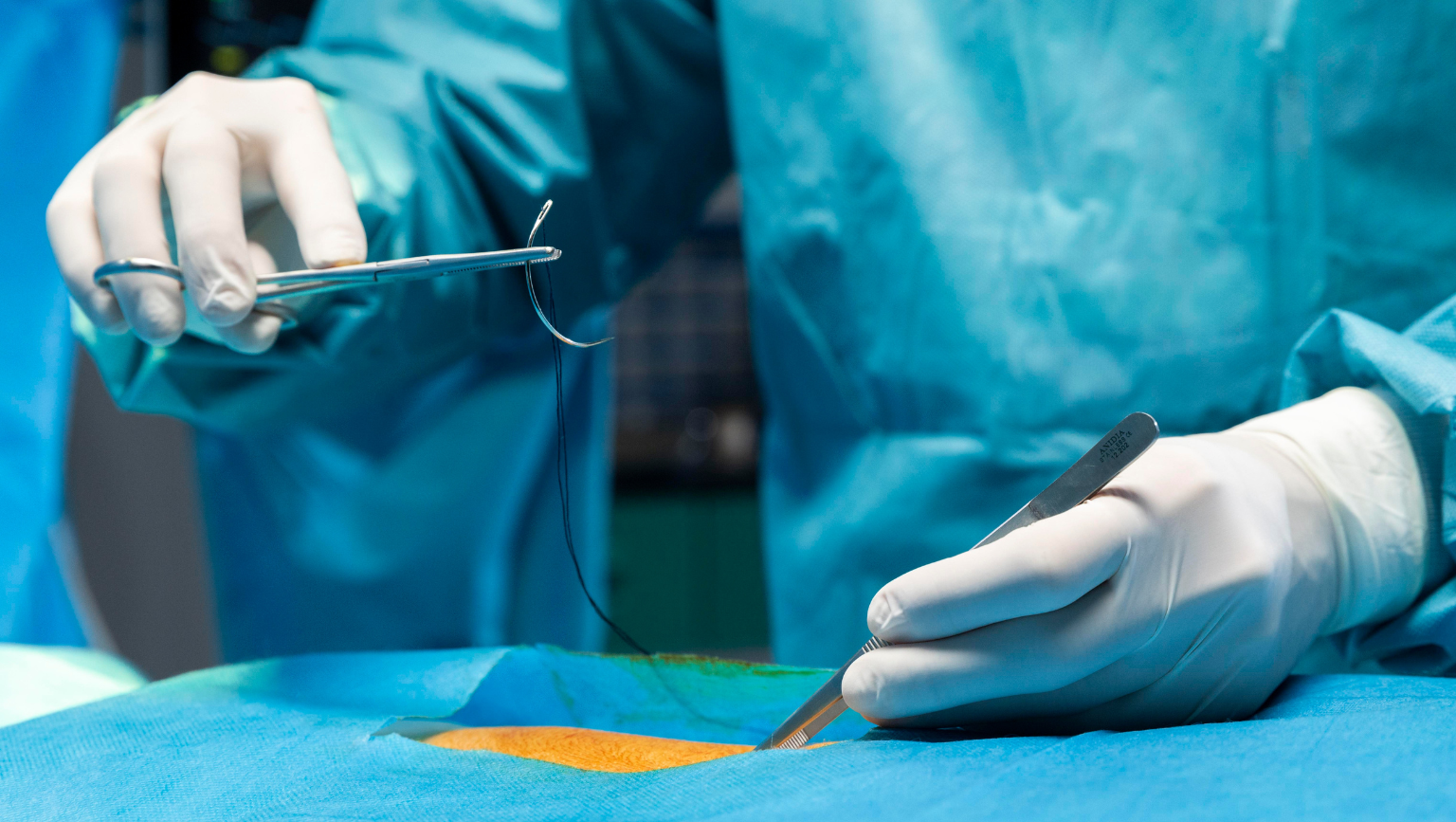
This traditional method involves making an incision near the hernia site. The protruding tissue is repositioned, and the weakened muscle wall is reinforced. In many cases, surgical mesh is placed to strengthen the area and reduce recurrence.
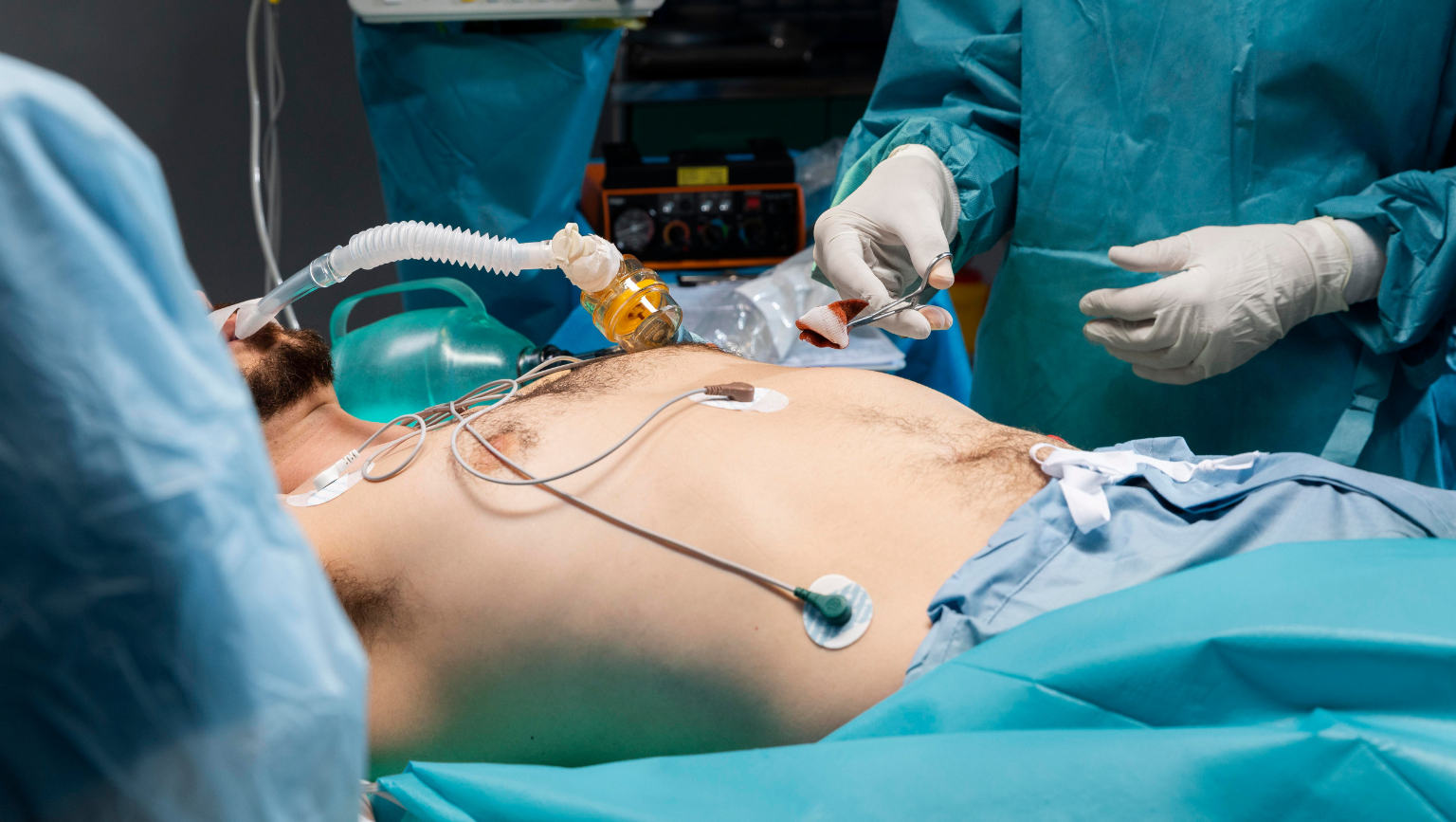
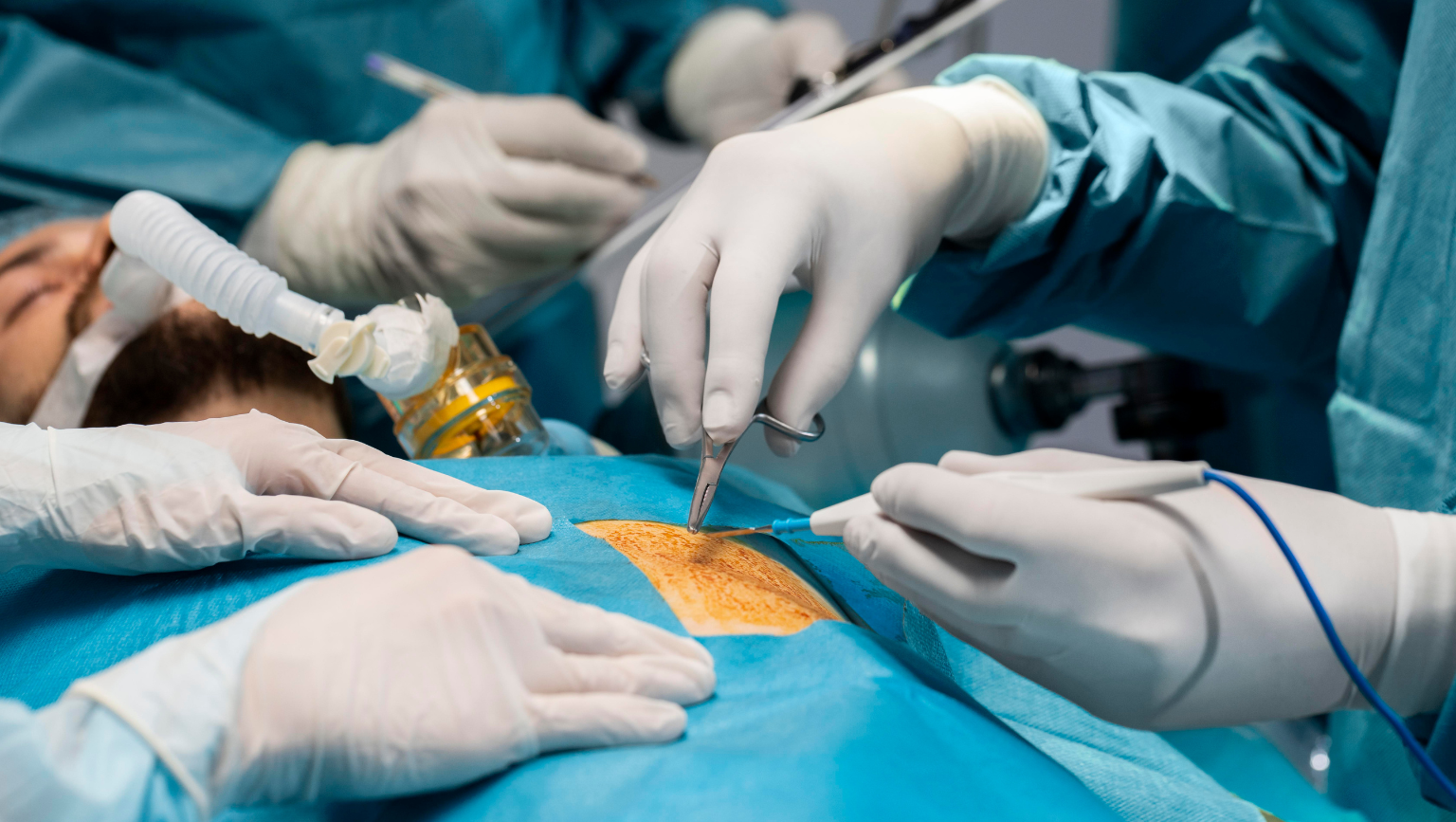
Laparoscopic surgery is a minimally invasive approach that uses small incisions and a camera-guided instrument. The surgeon repairs the hernia and reinforces the abdominal wall using mesh. Benefits of laparoscopic repair may include:
The use of surgical mesh significantly strengthens the abdominal wall and lowers the risk of the hernia returning.
Our experienced general surgeons will recommend the most suitable technique after a thorough evaluation and diagnostic assessment.
Recovery varies depending on the surgical method and the patient’s overall health.
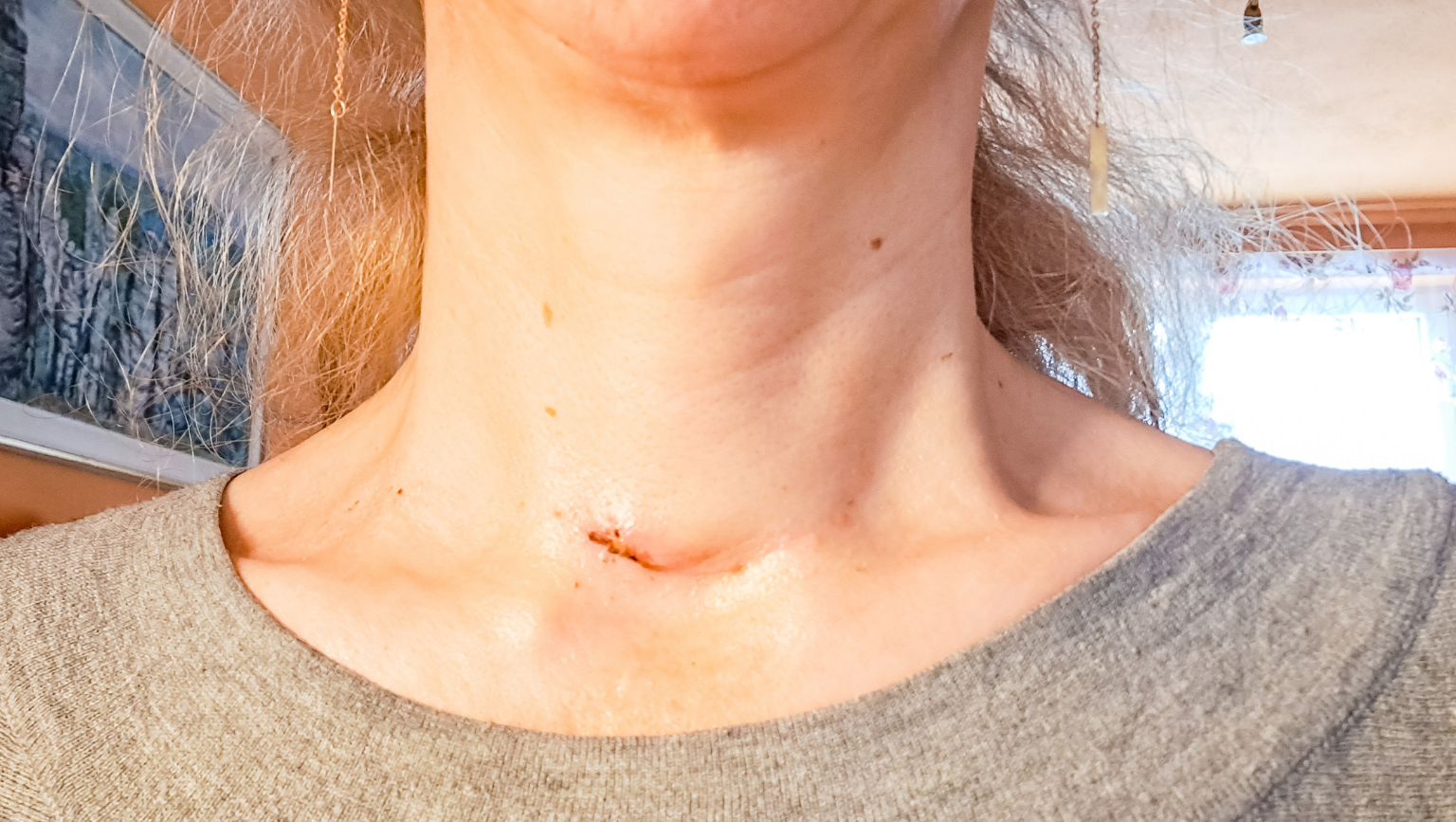
Patients are advised to avoid heavy lifting and strenuous physical activity during recovery. Proper wound care and follow-up consultations are important to ensure proper healing and prevent recurrence.
Most patients return to normal daily routines within a few weeks and experience significant relief from discomfort after surgery.
Patients trust Tarlac Medical Center for hernia repair because we provide:
Our goal is to provide safe repair, minimal recurrence risk, and a smooth recovery process for patients in Tarlac and nearby provinces.
Hernia repair surgery is a procedure to correct a hernia, which occurs when an internal organ or tissue pushes through a weak spot in the abdominal muscle. The surgery involves repositioning the tissue and reinforcing the weakened area, often using surgical mesh to prevent recurrence.
Hernia repair can be performed as either a minor or major procedure depending on the type and severity of the hernia. Many cases are treated using minimally invasive (laparoscopic) techniques, which result in smaller incisions, less pain, and faster recovery.
Most patients go home the same day or within 24 hours after laparoscopic surgery. Light activities may resume within 1 to 2 weeks, while full recovery typically takes 4 to 6 weeks. Open surgery may require a slightly longer recovery period.
While hernia repair is highly effective, there is a small risk of recurrence. Following your surgeon’s postoperative instructions, avoiding heavy lifting, and maintaining a healthy weight can help reduce the risk of the hernia returning.
Seek emergency care if you experience sudden severe pain at the hernia site, nausea or vomiting, fever, redness or swelling that worsens, or if the hernia becomes firm and cannot be pushed back in. These may be signs of a strangulated hernia and require urgent treatment.