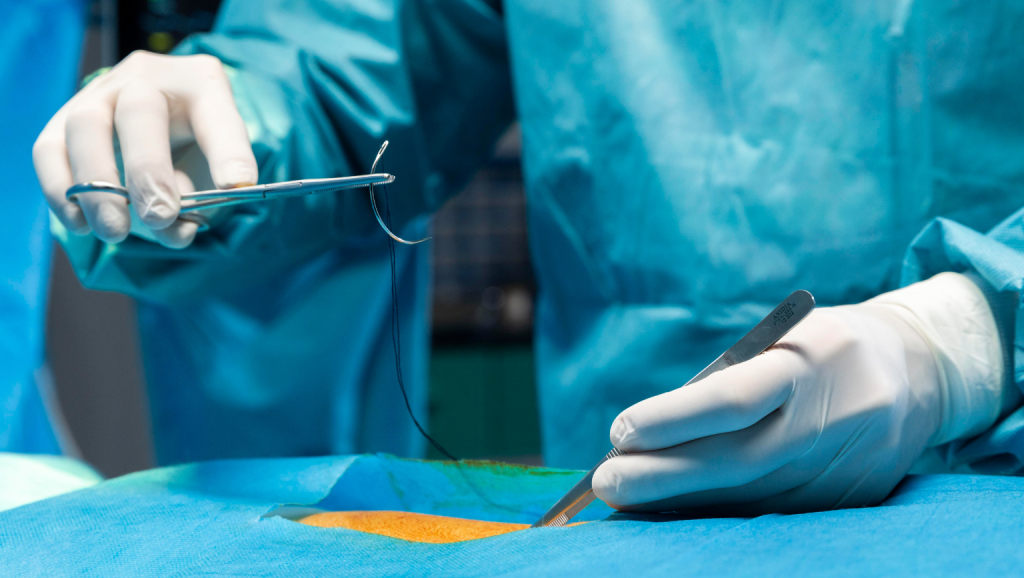


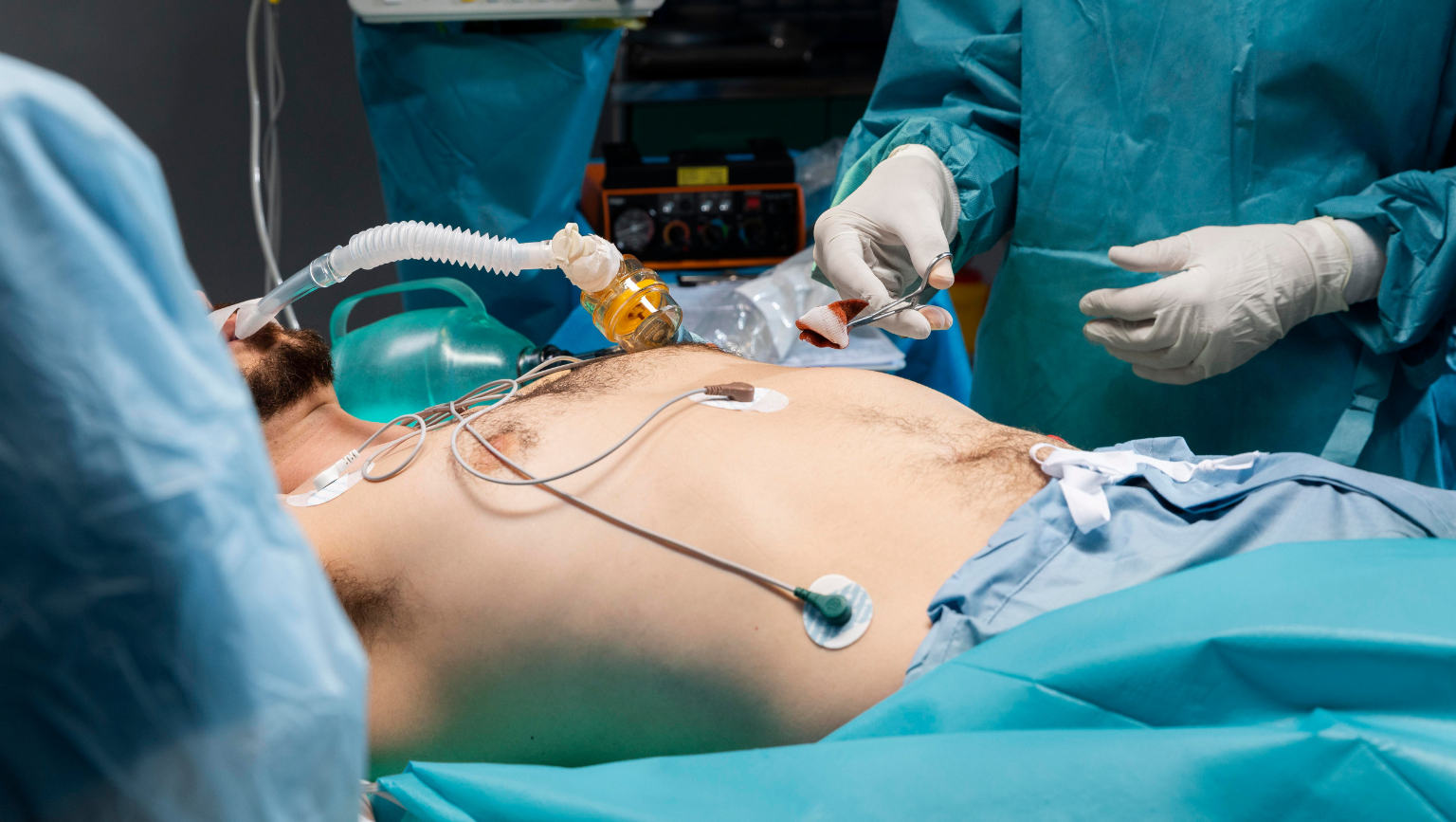


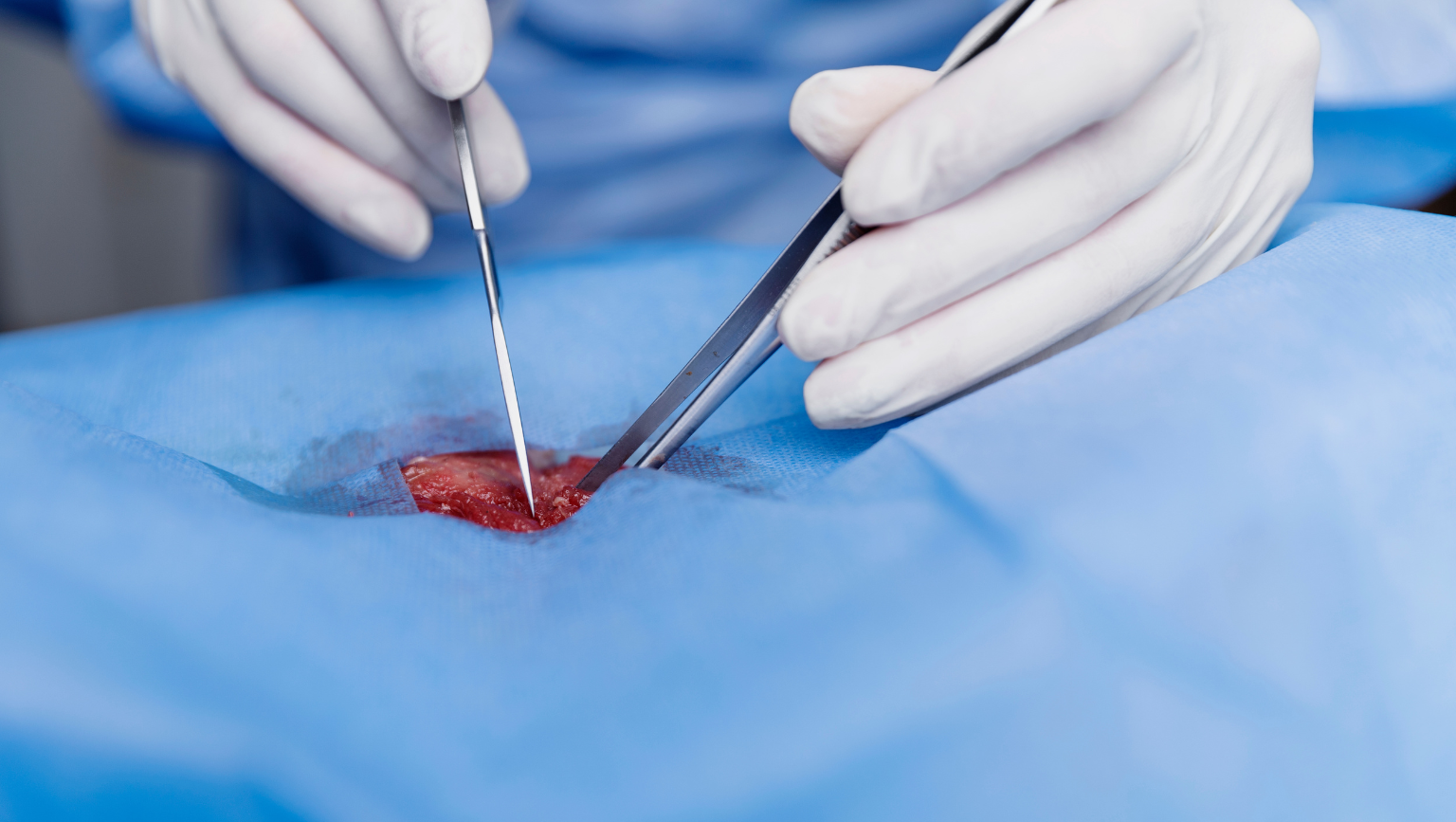
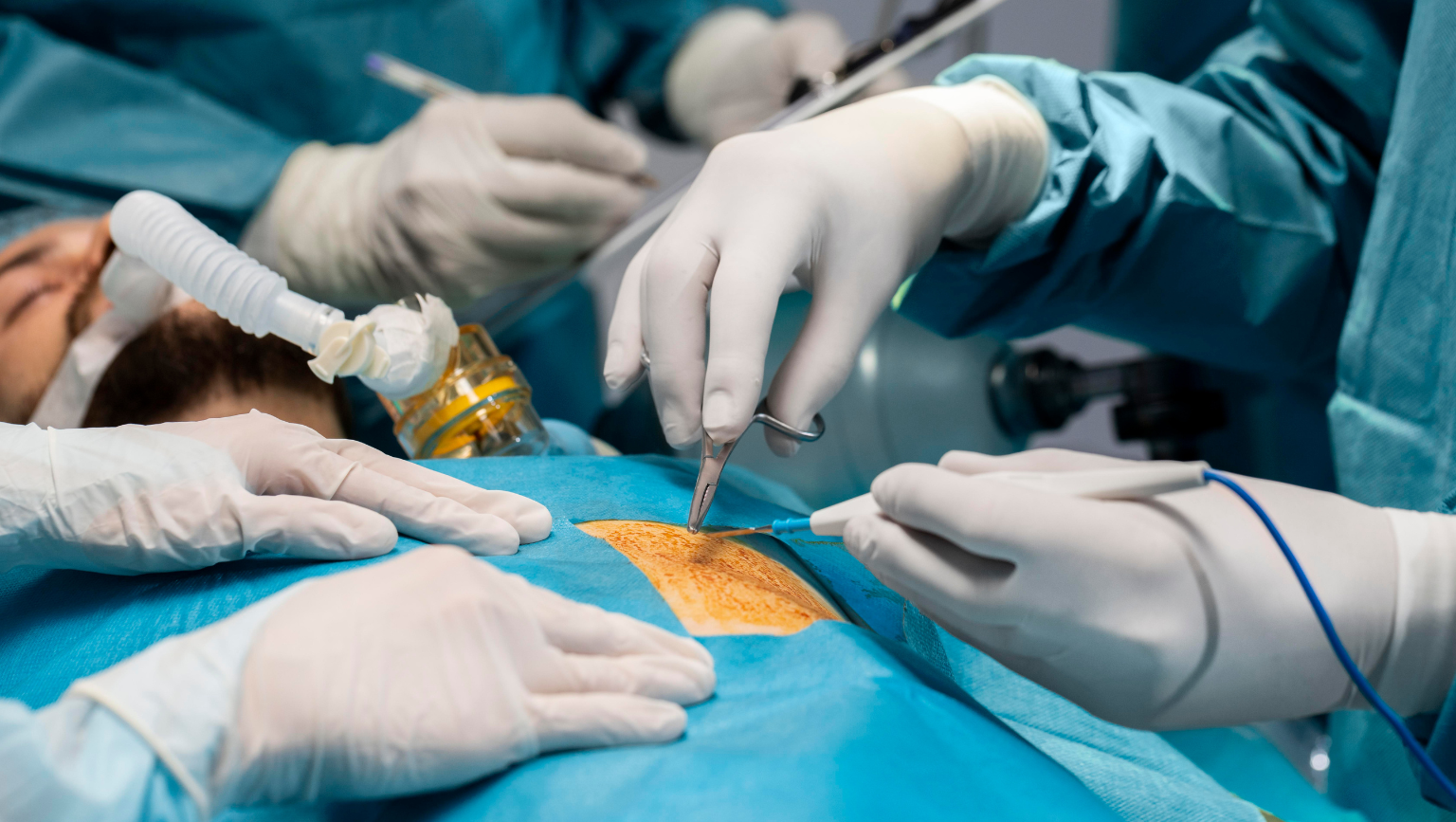



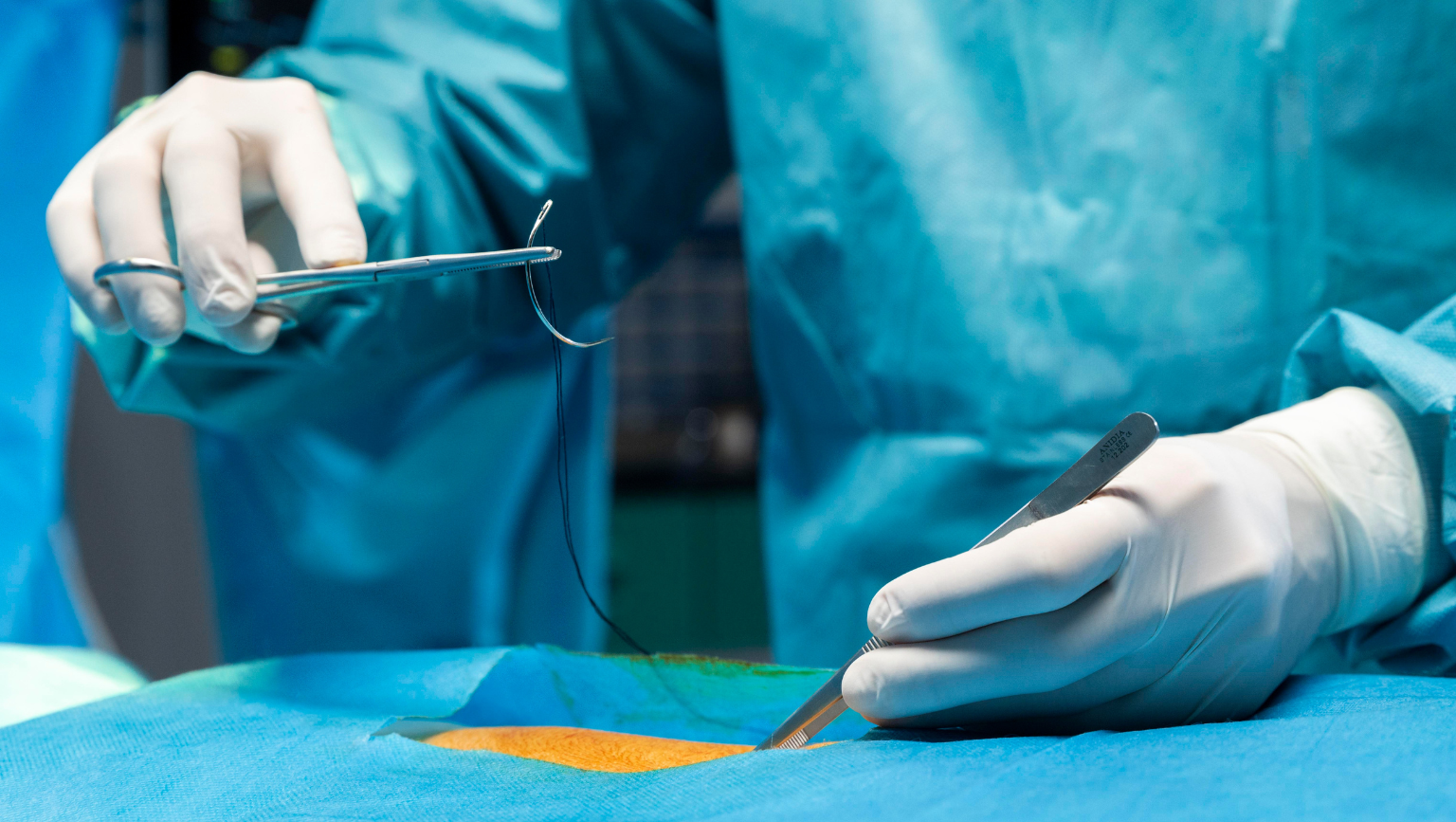

A splenectomy is a surgical procedure to remove the spleen. It is performed to treat traumatic injury, certain blood disorders, enlarged spleen (splenomegaly), infections, or cancers involving the spleen. At Tarlac Medical Center, we provide advanced splenectomy procedures supported by modern operating facilities, experienced surgeons, and comprehensive postoperative care.
The spleen is located in the upper left side of the abdomen and plays an important role in filtering blood, recycling old red blood cells, and supporting the immune system by helping fight infections. While the spleen performs valuable functions, there are medical conditions in which removal becomes necessary to prevent serious or life-threatening complications such as severe internal bleeding, rupture, or dangerously low blood cell counts.
Our surgical team carefully evaluates each patient to determine when splenectomy is the safest and most appropriate course of treatment.
In emergency situations, such as a ruptured spleen from an accident or injury, immediate surgery is critical to control bleeding and save the patient’s life. In non-emergency cases, splenectomy may be planned after thorough diagnostic testing and medical evaluation.
Our surgeons determine the safest and most effective method based on individual patient needs.
Patients undergoing laparoscopic splenectomy may stay for a shorter period compared to those who undergo open surgery.
Long-term follow-up is essential to ensure optimal health and prevent complications.
At Tarlac Medical Center, we prioritize safety, rapid response, and long-term health management. Our advantages include:
We are committed to delivering timely, precise, and compassionate care—whether in emergency trauma cases or planned surgical treatment.
Yes. A person can live without a spleen, but they may have a slightly increased risk of infection. Preventive vaccinations and medical follow-up help reduce this risk.
The procedure typically takes 1 to 3 hours, depending on whether it is performed laparoscopically or as open surgery.
Possible risks include bleeding, infection, blood clots, and injury to nearby organs. Emergency cases may carry higher risks due to trauma severity.
Yes. Vaccinations are strongly recommended to protect against certain bacterial infections, as the spleen plays a role in immune defense.
Light activities may resume within a few weeks. Full recovery typically takes 2–3 weeks for laparoscopic surgery and 4–6 weeks for open surgery.
The TARLAC MEDICAL CENTER focuses on the hospital’s commitment to excellence and distinction in patient care.
Address: 8th St. TDMC Hospital Drive, Fairlane Subd, San Vicente, Tarlac City
Email: marketing.tarlacmed@gmail.com
Phone: (045) 809 0050

I have read and understood the Privacy Notice and agree to the processing of my personal data in accordance with it.