



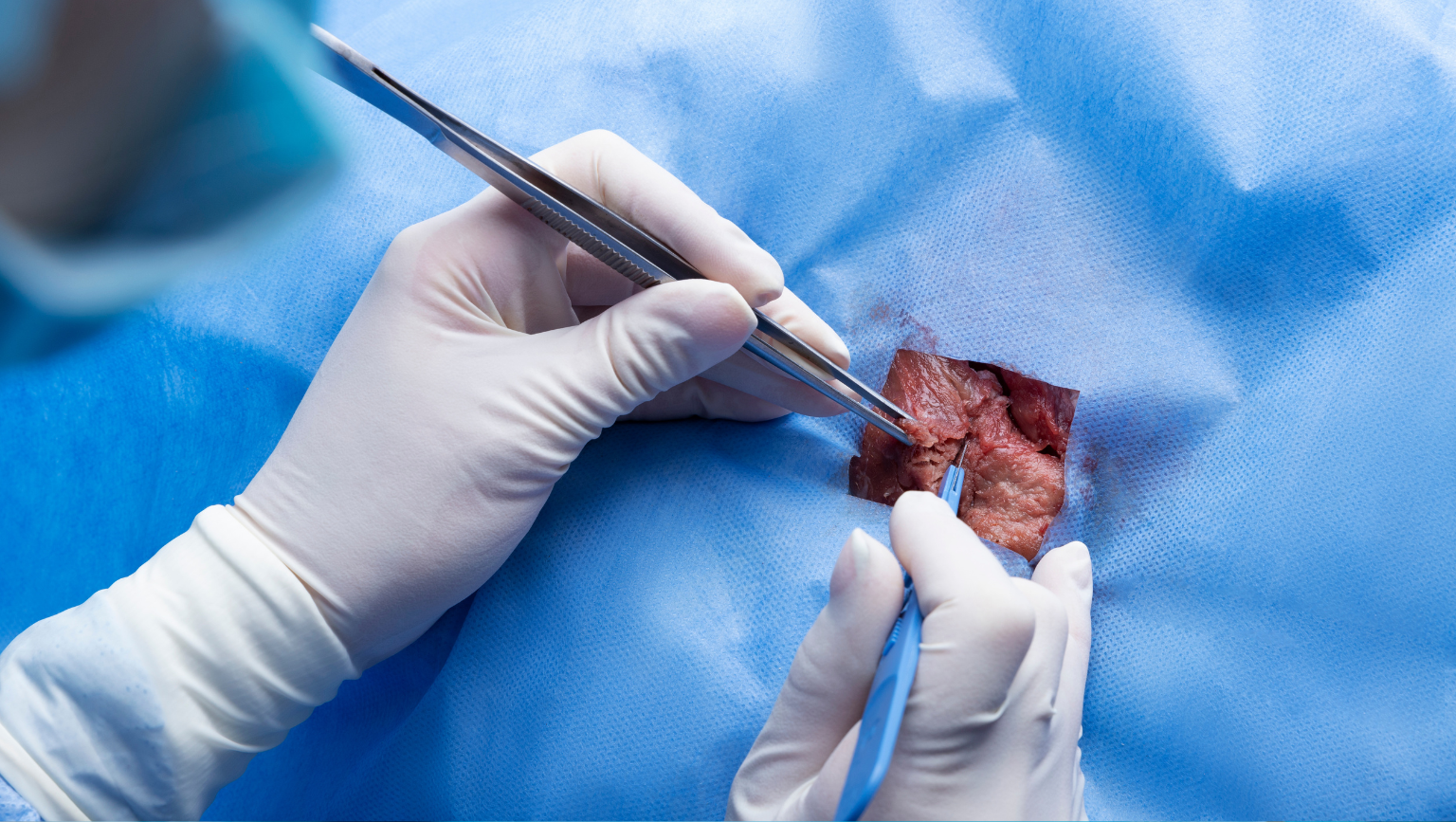


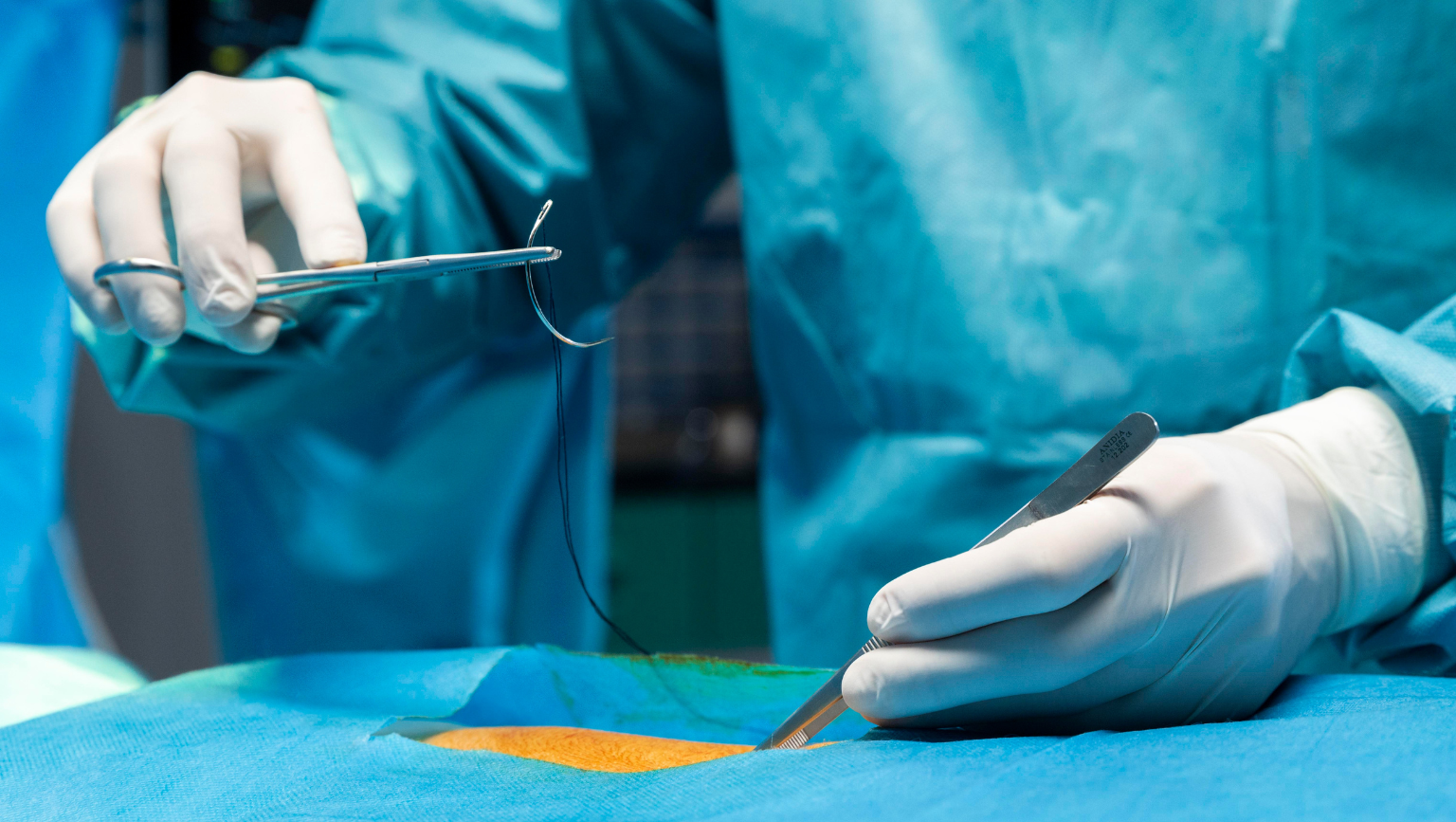
A thyroidectomy is a surgical procedure that involves the removal of part or all of the thyroid gland. The thyroid is a small, butterfly-shaped gland located at the base of the neck that produces hormones responsible for regulating metabolism, heart rate, body temperature, and energy levels.
Thyroidectomy is commonly performed to treat thyroid cancer, suspicious or enlarging nodules, hyperthyroidism, or a large goiter causing compression symptoms. At Tarlac Medical Center, we provide expert thyroid surgery focused on safety, precision, nerve preservation, and minimal scarring. Our approach combines advanced surgical techniques with comprehensive endocrine evaluation to ensure the best possible outcomes.
When medical therapy is no longer effective—or when malignancy is suspected—surgical removal of thyroid tissue may be the safest and most definitive treatment option.
Thyroidectomy may be recommended for several conditions, including:
Before surgery, patients undergo comprehensive diagnostic evaluation. This may include blood tests to assess thyroid hormone levels, ultrasound imaging, fine-needle aspiration biopsy, and sometimes CT scans. Careful preoperative assessment ensures accurate surgical planning and reduces potential risks.
The extent of surgery depends on the diagnosis and severity of the condition:
Partial Thyroidectomy (Lobectomy)
Removal of one lobe of the thyroid gland. This may be sufficient for isolated nodules or small, low-risk cancers.
Total Thyroidectomy
Removal of the entire thyroid gland. This is commonly recommended for confirmed thyroid cancer, large bilateral nodules, or severe hyperthyroidism.
Our surgical team determines the most appropriate approach based on pathology results, imaging findings, and patient health status.
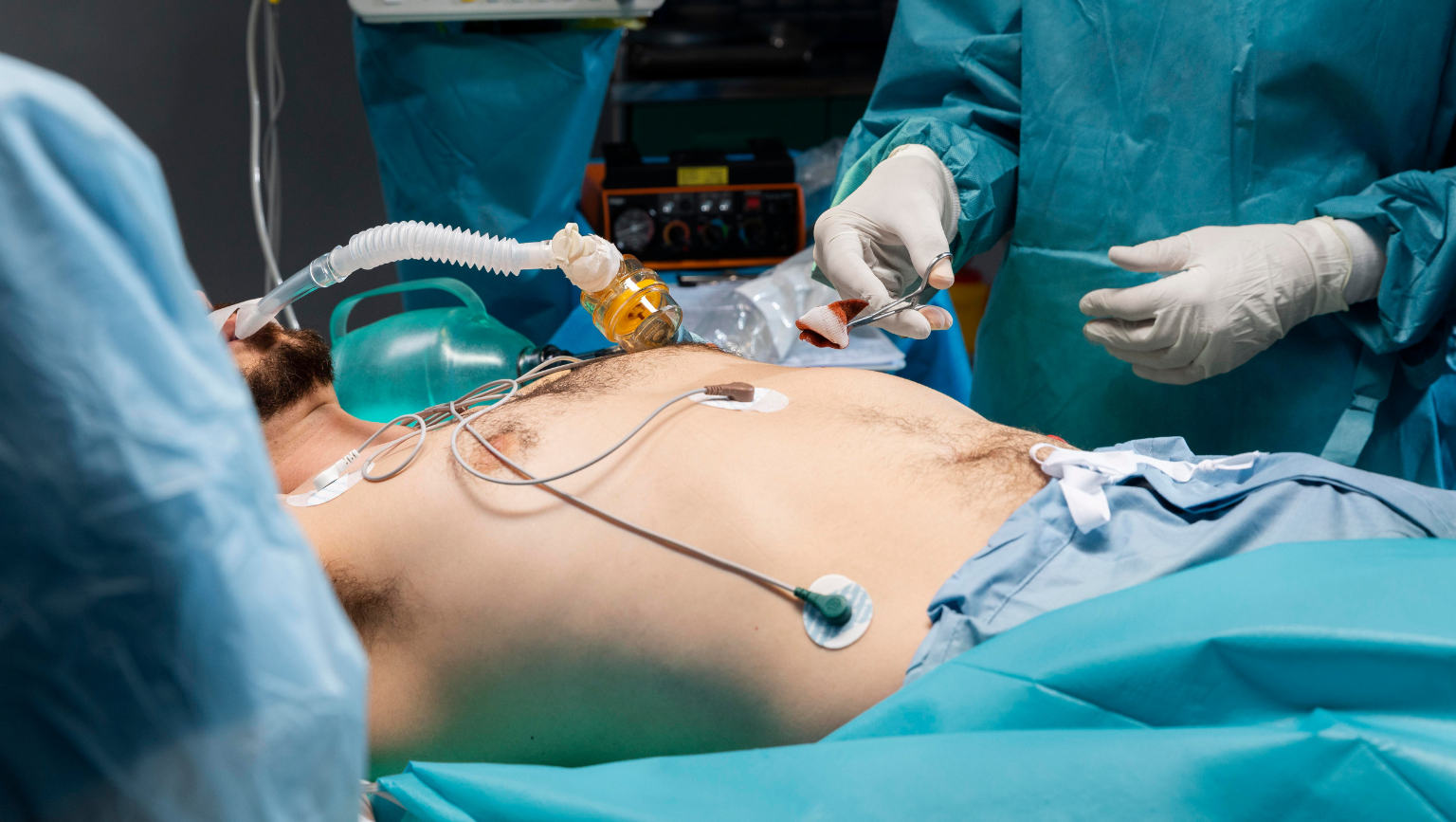
Thyroidectomy is performed under general anesthesia to ensure patient comfort and safety.
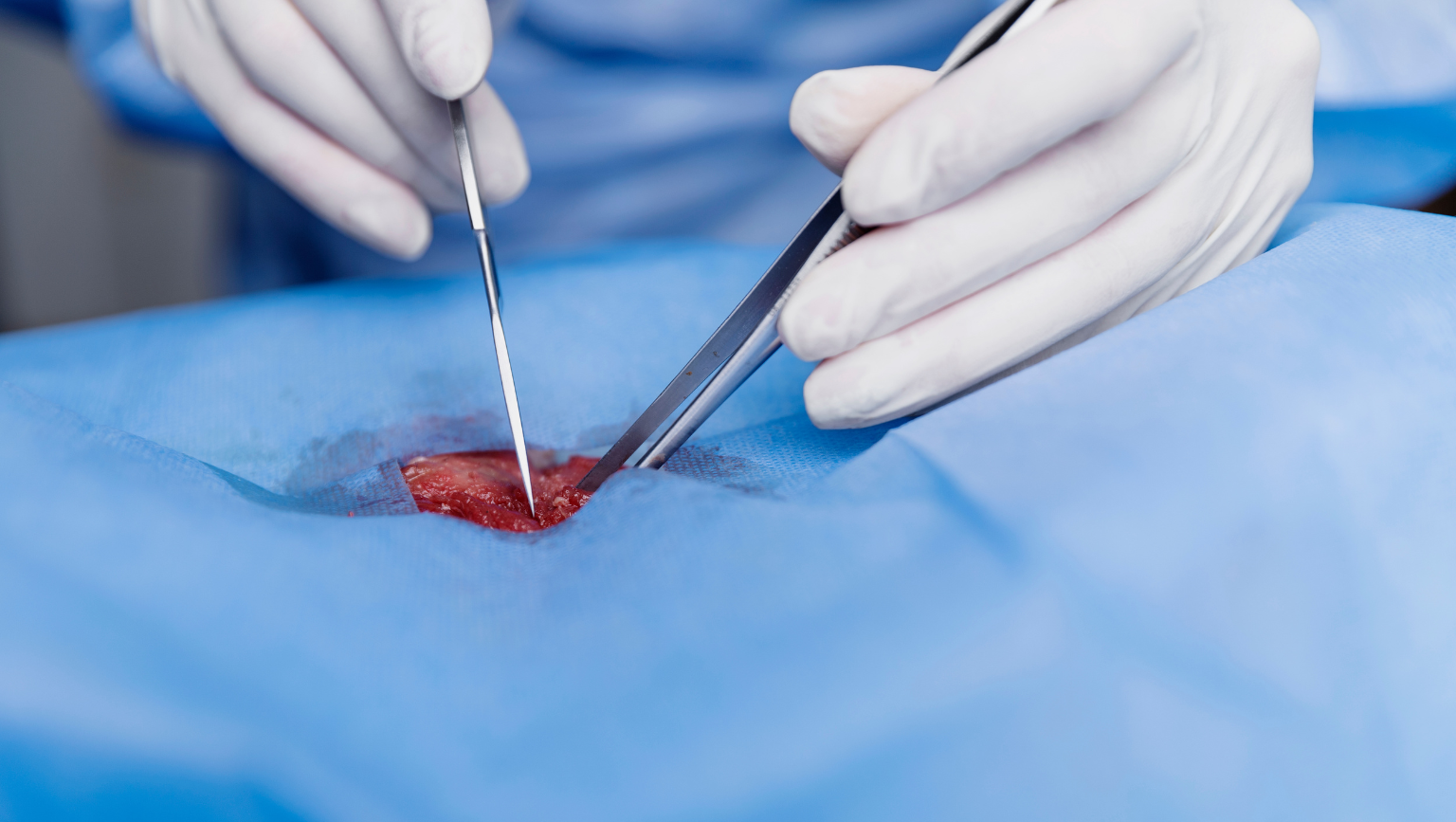
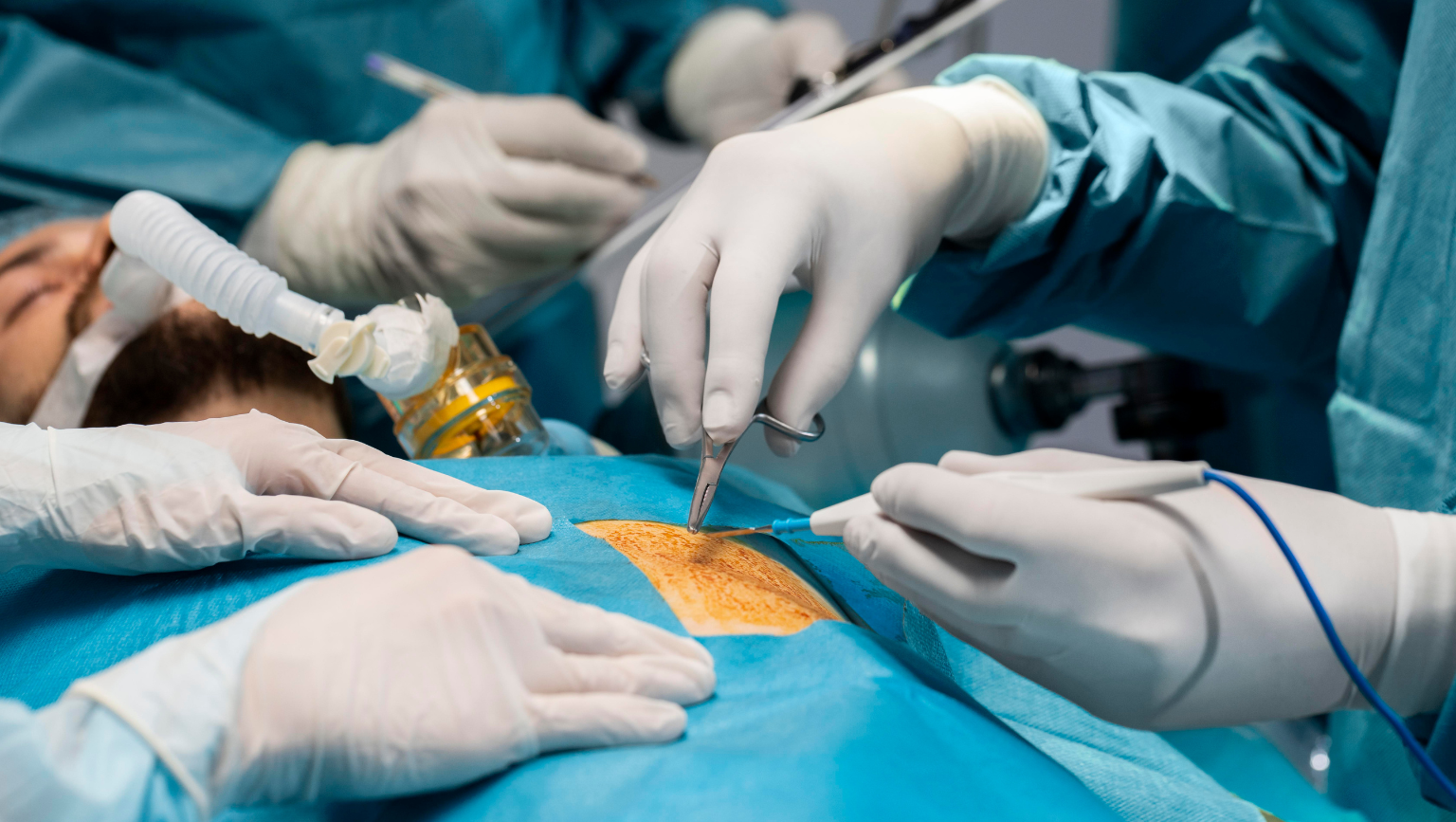
During the procedure:
The surgery usually takes between 1 to 3 hours, depending on the complexity and extent of removal.
Most patients are transferred to recovery for close monitoring after surgery.
Hospital stay is typically 1 to 2 days, depending on the extent of surgery and overall patient condition.
Common aspects of recovery include:
If the entire thyroid gland is removed, patients will require lifelong thyroid hormone replacement therapy to maintain normal metabolism. Medication dosage is carefully adjusted through follow-up blood tests.
Most patients can return to light daily activities within 1 to 2 weeks and resume normal routines within 2 to 3 weeks, depending on recovery progress.
Regular follow-up visits are essential to monitor hormone levels, wound healing, and overall health.
At Tarlac Medical Center, we combine surgical precision with compassionate, patient-centered care. Our advantages include:
We prioritize safety, clear communication, and long-term health management to ensure optimal outcomes for every patient.
Yes, thyroidectomy is considered major surgery because it is performed under general anesthesia and involves delicate structures in the neck. However, it is commonly and safely performed by experienced surgeons.
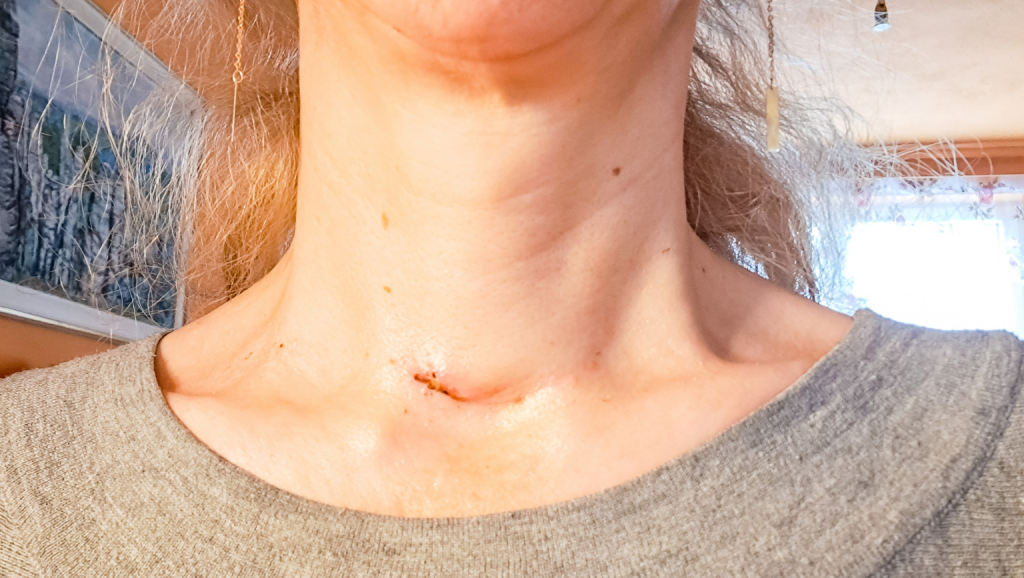
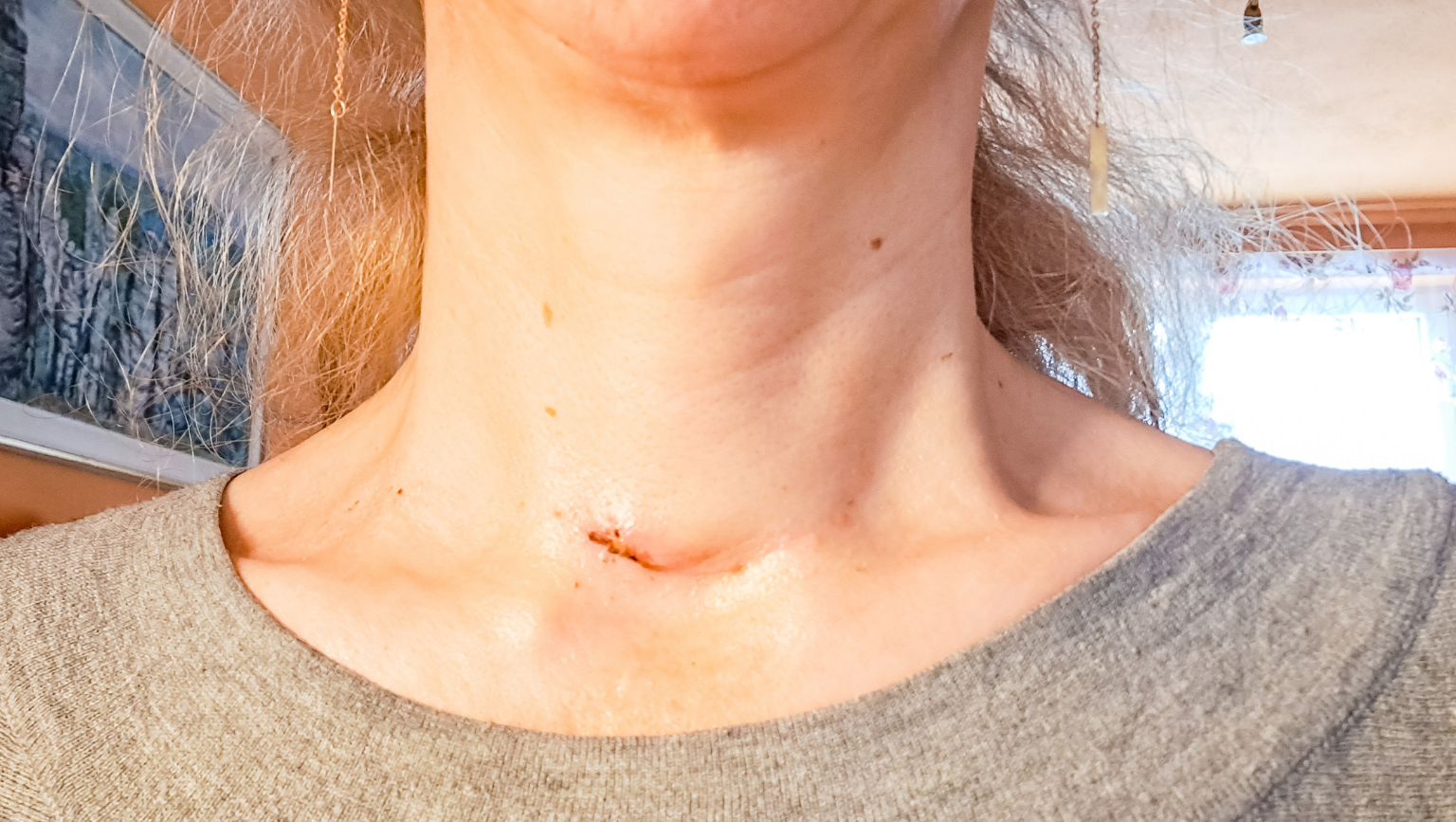
A small scar will remain at the incision site, but it is usually placed in a natural neck crease and fades significantly over time.
Temporary hoarseness may occur due to irritation near the vocal cord nerves. Permanent voice changes are rare when surgery is performed with nerve-monitoring techniques.
If the entire thyroid gland is removed, lifelong thyroid hormone replacement therapy is necessary. If only part is removed, medication may not always be required.
Most patients resume normal activities within 2–3 weeks, although mild discomfort may last for a short period.
The TARLAC MEDICAL CENTER focuses on the hospital’s commitment to excellence and distinction in patient care.
Address: 8th St. TDMC Hospital Drive, Fairlane Subd, San Vicente, Tarlac City
Email: marketing.tarlacmed@gmail.com
Phone: (045) 809 0050