
Call : (045) 809 0050
Email : tarlacmed@tarlacmedicalcenter.com.ph

(045) 809 0050​

tarlacmed@tarlacmedicalcenter.com.ph

Gout Pain & Acute Gout Management in Tarlac

Gout is a type of inflammatory arthritis caused by the accumulation of uric acid crystals in the joints. It often leads to sudden, severe episodes of pain, redness, swelling, and warmth, commonly affecting the big toe, ankle, or knee. At Tarlac Medical Center, we provide expert management of acute gout attacks and long-term uric acid control to relieve pain, prevent complications, and improve joint health.

Prompt treatment of acute attacks is essential to prevent joint damage and recurrent episodes. Our approach combines medication, lifestyle guidance, and ongoing monitoring to manage both immediate pain and long-term disease progression.

Causes and Risk Factors

Gout develops when uric acid accumulates in the blood (hyperuricemia) and forms crystals in the joints. Risk factors include:

  • High-purine diet (red meat, seafood, alcohol)
    • Obesity and metabolic syndrome
    • Family history of gout or hyperuricemia
    • Male gender (more common in men)
    • Certain medications (diuretics, aspirin, or chemotherapy agents)
    • Chronic kidney disease or reduced uric acid excretion

Understanding these risk factors helps guide prevention and long-term management strategies.

Symptoms of Gout

Acute gout attacks are typically sudden and intensely painful:

  • Severe joint pain, often at night
    • Redness and warmth over the affected joint
    • Swelling and tenderness
    • Limited joint movement
    • Episodes lasting from days to weeks

Recurrent attacks can lead to chronic gout, joint damage, and the formation of tophi (uric acid crystal deposits).

Diagnosis and Evaluation

At Tarlac Medical Center, gout is diagnosed using:

  • Medical history review, including diet and family history
    • Physical examination of affected joints
    • Laboratory tests to measure serum uric acid levels
    • Joint fluid analysis to detect uric acid crystals
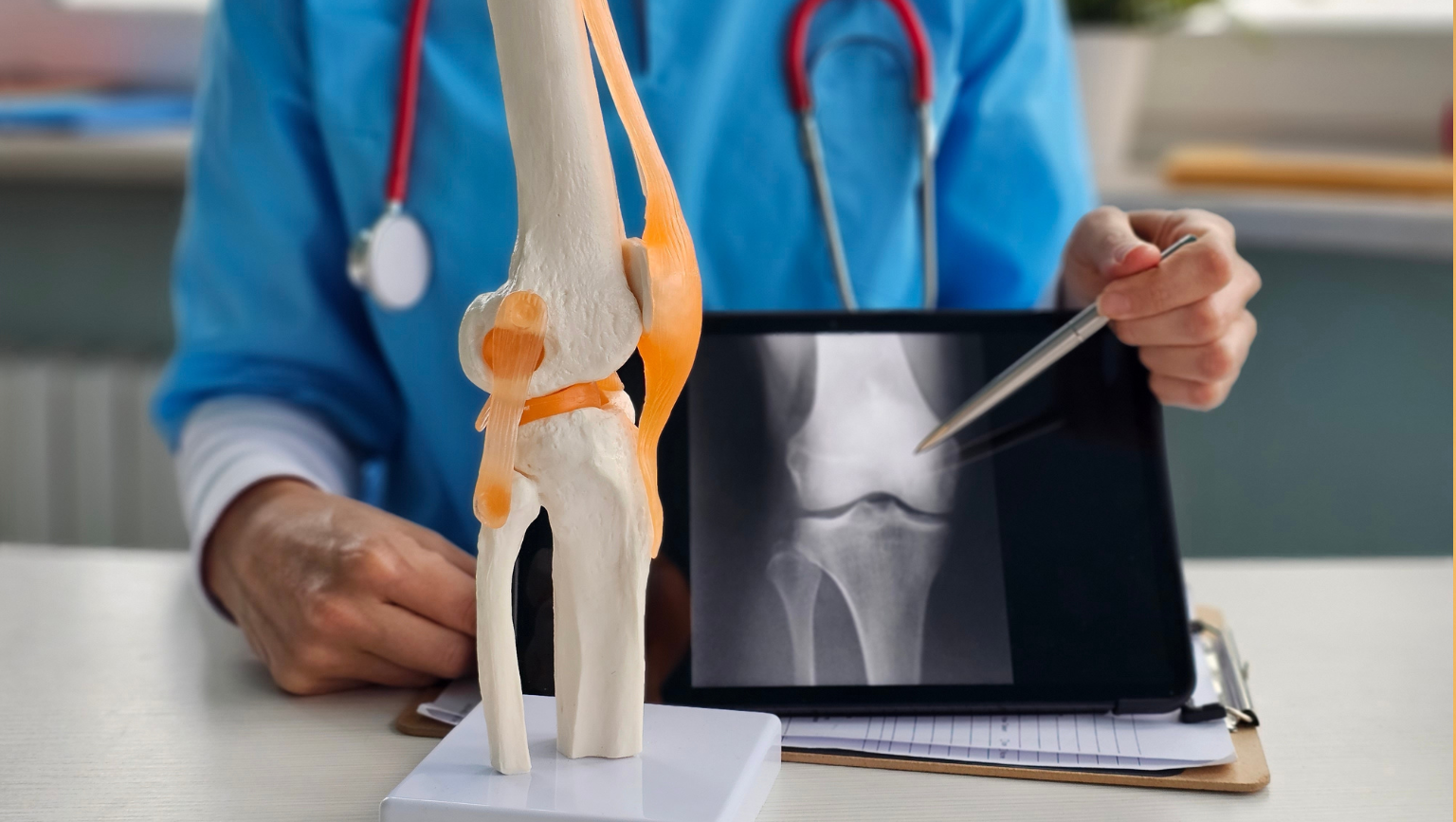
    • Imaging studies (X-ray, ultrasound) to assess joint damage or tophi

Accurate diagnosis ensures targeted treatment for both acute attacks and long-term control.

Treatment and Management

Gout management focuses on relieving acute pain, reducing inflammation, and preventing recurrent attacks:

  1. Medications for Acute Attacks
    • Non-steroidal anti-inflammatory drugs (NSAIDs) to relieve pain and inflammation
    • Colchicine to reduce severity of attacks
    • Corticosteroids for patients who cannot take NSAIDs or colchicine
  2. Long-Term Uric Acid Management
    • Uric acid-lowering medications (allopurinol, febuxostat) to prevent recurrent attacks
    • Lifestyle modifications including diet changes, weight management, and limiting alcohol
  3. Supportive Measures
    • Joint rest during acute attacks
    • Ice therapy to reduce swelling
    • Hydration to help lower uric acid levels
  4. Complementary Therapy
    • Physical therapy to maintain joint function
    • Pain management techniques for chronic gout

Early intervention and adherence to treatment plans are critical to prevent joint damage and improve quality of life.

Recovery and Long-Term Care

Recovery from acute gout attacks is typically rapid with appropriate medication, often within a few days.

  • Long-term care focuses on maintaining normal uric acid levels to prevent recurrent attacks
    • Lifestyle adjustments and dietary management are essential
    • Regular monitoring of uric acid levels ensures treatment effectiveness

Chronic gout management is lifelong, emphasizing prevention, pain control, and joint preservation.

Why Choose Tarlac Medical Center?

  • Experienced rheumatologists and joint specialists
    • Advanced diagnostic imaging and laboratory support
    • Personalized treatment plans for acute and chronic gout
    • Integration of medications, therapy, and lifestyle guidance
    • Private and comfortable care environment
    • Patient-centered approach focusing on pain relief, mobility, and long-term joint health

Frequently Asked Questions (FAQs)

What triggers a gout attack?

Gout attacks are triggered by high uric acid levels in the blood, which can result from diet, dehydration, obesity, or certain medications.

Can gout be cured?

Gout cannot be cured, but attacks can be managed, and uric acid levels controlled to prevent recurrence and joint damage.

How quickly does pain improve during an acute attack?

With proper medication, pain typically improves within 24–72 hours, though inflammation may persist for several days.

What lifestyle changes help prevent gout attacks?

Maintaining a healthy weight, limiting purine-rich foods, reducing alcohol, staying hydrated, and exercising regularly help prevent attacks.

Are medications safe for long-term gout management?

Yes. Uric acid-lowering medications and preventive therapy are safe under specialist supervision, with regular monitoring to ensure efficacy and minimize side effects.

Gout management at Tarlac Medical Center combines rapid treatment for acute attacks with long-term strategies to reduce uric acid, prevent joint damage, and improve overall mobility and quality of life.

Scroll to Top