
Call : (045) 809 0050
Email : tarlacmed@tarlacmedicalcenter.com.ph

(045) 809 0050​

tarlacmed@tarlacmedicalcenter.com.ph

Ankylosing Spondylitis (AS) Treatment in Tarlac

Ankylosing Spondylitis (AS) Treatment in Tarlac

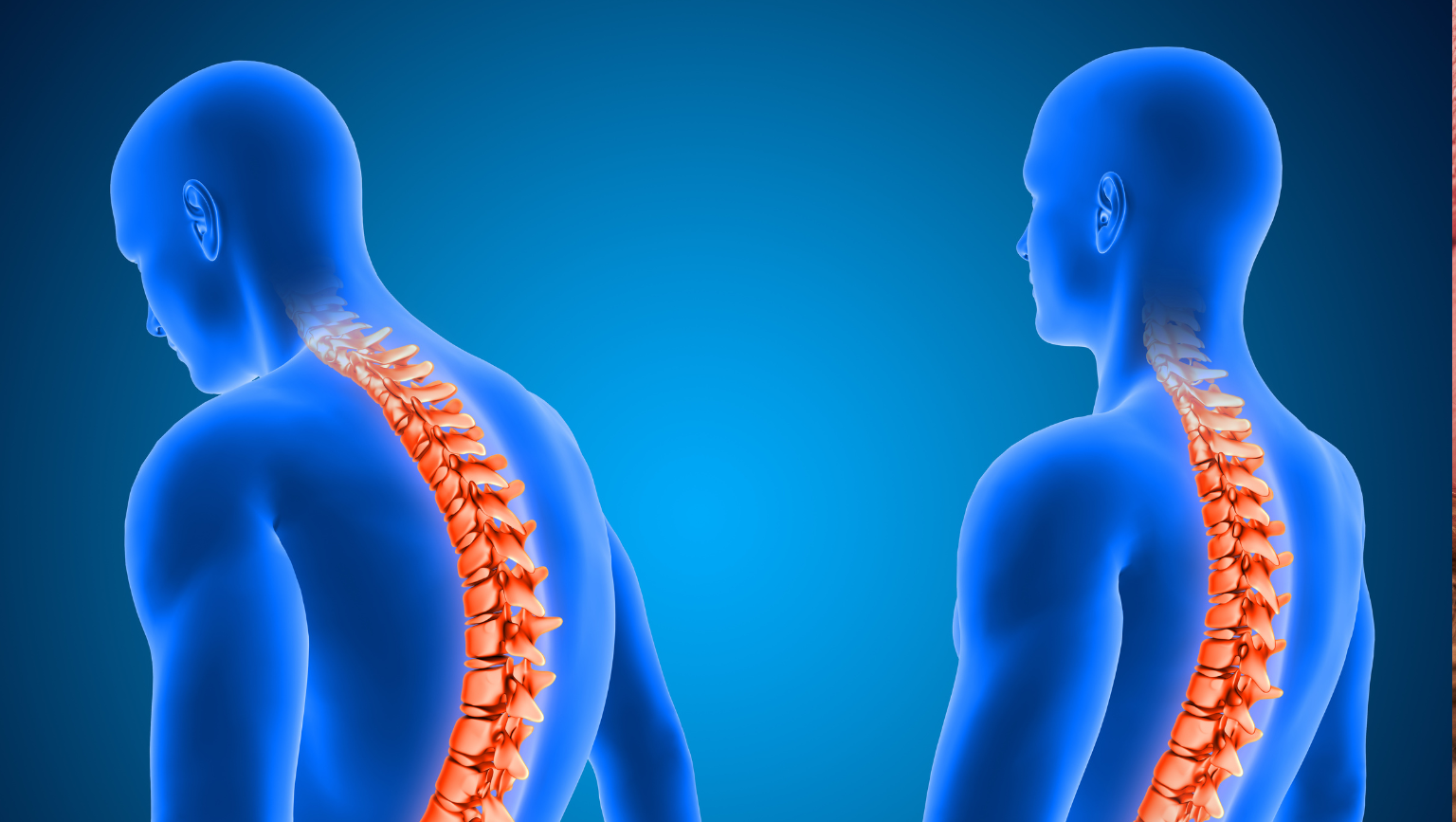
Ankylosing Spondylitis (AS) is a chronic inflammatory arthritis primarily affecting the spine and sacroiliac joints. It can cause pain, stiffness, and reduced spinal mobility, and in severe cases, lead to fusion of the vertebrae. At Tarlac Medical Center, we provide comprehensive evaluation, medical management, and rehabilitative care to relieve symptoms, improve spinal flexibility, and maintain function.

Early recognition and treatment of AS are crucial to prevent long-term deformity, chronic pain, and functional limitations. Our multidisciplinary approach combines medical therapy, physiotherapy, and lifestyle interventions for optimal results.

Causes and Risk Factors

  • Genetic predisposition (HLA-B27 gene)
  • Family history of AS or autoimmune disease
  • Male gender (more commonly affected)
  • Age of onset 15–45 years

Ankylosing spondylitis has no exact known cause, but genetic and hereditary factors play a major role in its development.

Symptoms of Ankylosing Spondylitis

  • Chronic lower back pain and morning stiffness
  • Reduced spinal flexibility
  • Hip, shoulder, or joint pain
  • Fatigue and malaise
  • Postural changes in advanced stages

Symptoms often develop gradually, making early evaluation important to prevent permanent spinal changes.

Diagnosis and Evaluation

  • Medical history and physical examination
  • HLA-B27 and inflammatory markers (ESR, CRP)
  • X-ray, MRI, or CT scan
  • Functional mobility assessment

At Tarlac Medical Center, comprehensive evaluation ensures accurate diagnosis and personalized treatment planning.

Treatment and Management

  • NSAIDs – Reduce pain and stiffness
  • Biologics – TNF or IL-17 inhibitors for moderate to severe cases
  • Corticosteroids – For flare-ups
  • DMARDs – In selected cases
  • Physical therapy – Mobility and posture training
  • Heat/exercise therapy – Pain relief and flexibility

Treatment focuses on controlling inflammation, preserving spinal mobility, and preventing deformities.

Recovery and Long-Term Care

  • Chronic condition requiring long-term management
  • Medication and physiotherapy maintenance
  • Lifestyle modification and regular monitoring
  • Surgical intervention in severe cases

Continuous follow-up is essential to manage disease progression and maintain quality of life.

Why Choose Tarlac Medical Center?

  • Experienced rheumatologists, orthopedic specialists, and physiotherapists
  •  Advanced diagnostic imaging and laboratory support
  •  Personalized treatment plans tailored to AS severity
  •  Integration of medication, therapy, and lifestyle management
  •  Private and comfortable care environment
  •  Patient-centered approach focused on mobility, pain relief, and quality of life

Meet our team

Rehab Specialist

Ruben Pineda Zarate Jr. REHAB MEDICINE
Treatments and Procedures

Frequently Asked Questions (FAQs)

What is Ankylosing Spondylitis (AS)?

AS is a chronic inflammatory arthritis primarily affecting the spine and sacroiliac joints, causing pain, stiffness, and reduced mobility.

Can AS be cured?

There is no cure, but treatment can control inflammation, relieve pain, maintain flexibility, and prevent complications.

How is AS different from other types of arthritis?

Unlike osteoarthritis, which is degenerative, AS is inflammatory and autoimmune, primarily affecting the spine and large joints.

What role does exercise play in AS management?

Exercise is essential to maintain spinal flexibility, improve posture, and reduce stiffness. Stretching, strengthening, and low-impact aerobic activity are recommended.

Are biologic medications safe for AS?

Yes. Biologics are prescribed and monitored by specialists, effectively controlling inflammation in moderate to severe AS cases.

Ankylosing Spondylitis care at Tarlac Medical Center combines advanced diagnostics, personalized therapy, and multidisciplinary support to reduce pain, maintain mobility, and improve the overall quality of life for patients with this chronic condition.

Scroll to Top